
PILOT
TRAINING
IN INDIA
Start Your Pilot Career with We One Aviation - The Starting Point of Your Journey into Aviation
Looking for the best Pilot Training in India? At We One Aviation, we provide professional Commercial Pilot Training designed to help aspiring pilots achieve their dreams. With DGCA-compliant training, modern aircraft, experienced instructors, and a student-focused approach, we prepare you for a successful career in aviation.
At We One Aviation, our goal is to deliver high-quality Pilot Training in India that not only builds your flying skills but also prepares you for real-world airline operations. We focus on hands-on training, safety standards, and career readiness so every cadet gains the confidence to succeed in the competitive aviation industry and achieve their dream of becoming a commercial pilot.
Training Partners For
Elite aviation partners ensuring world-class training standards for our students in India.



Address
C-404, 3rd Floor, Near Ramphal Chowk Sector-7, Dwarka, New Delhi - 110075
Our Students
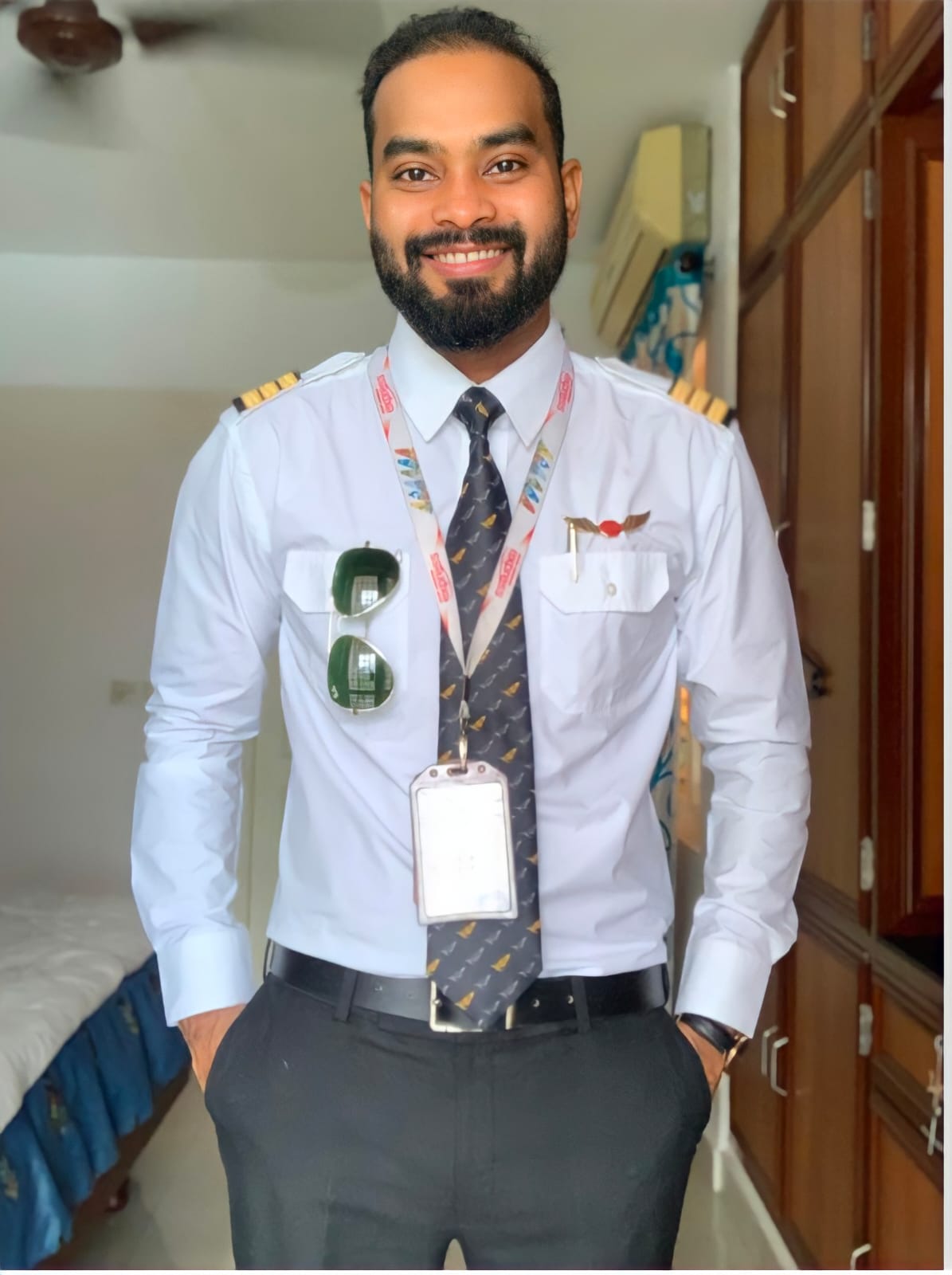
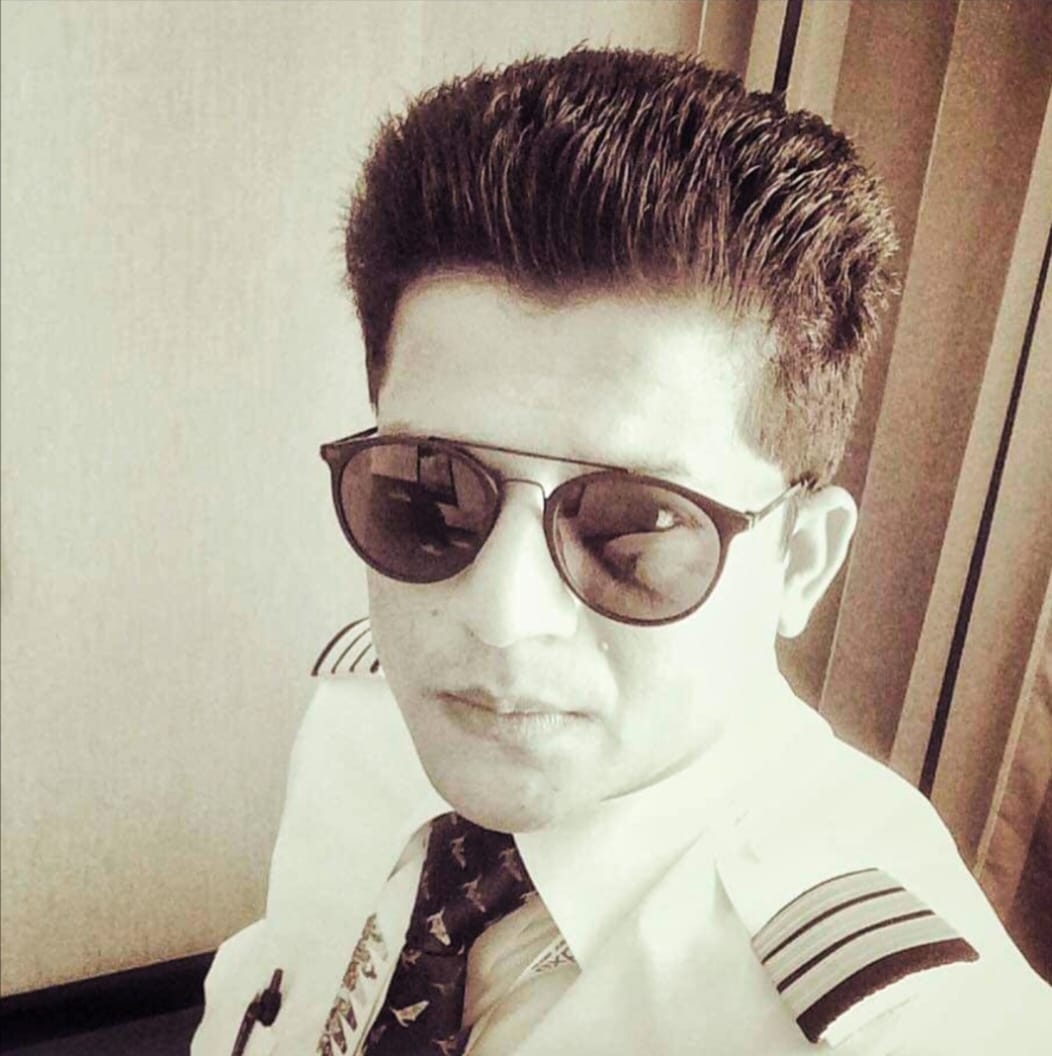
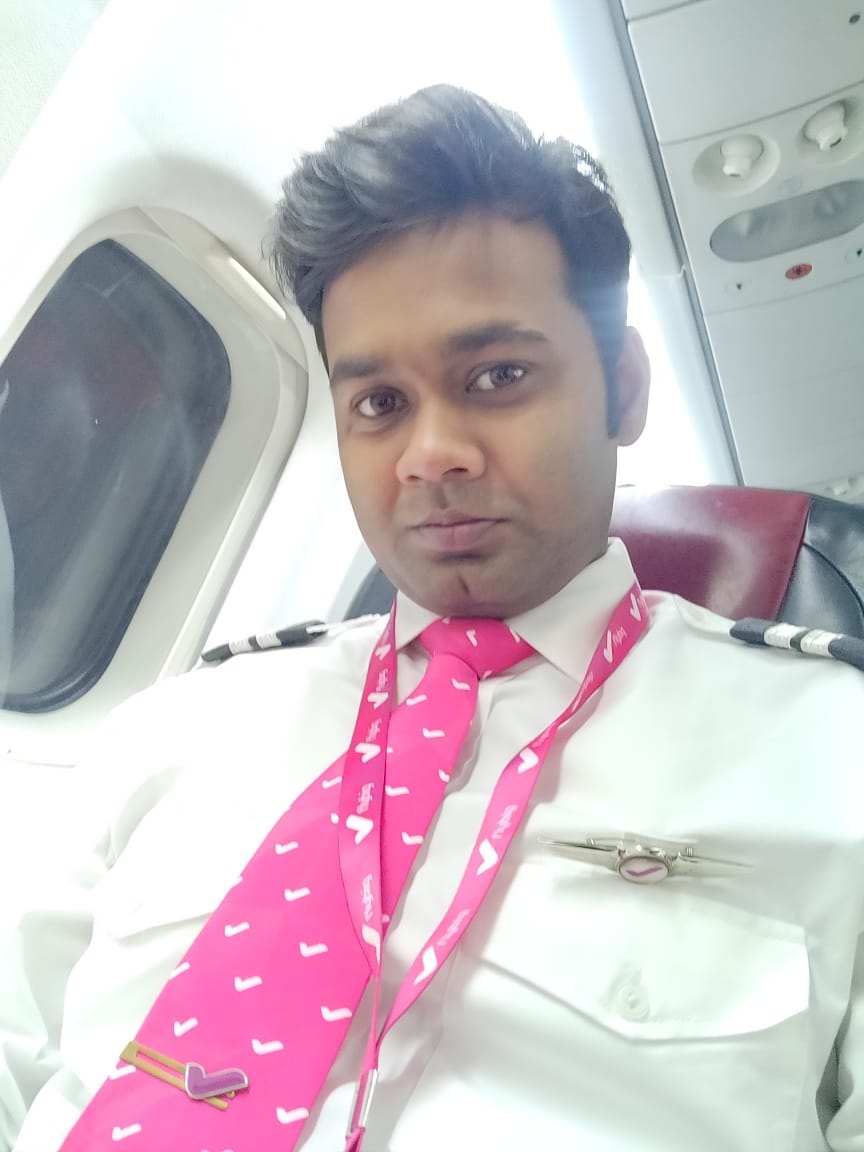
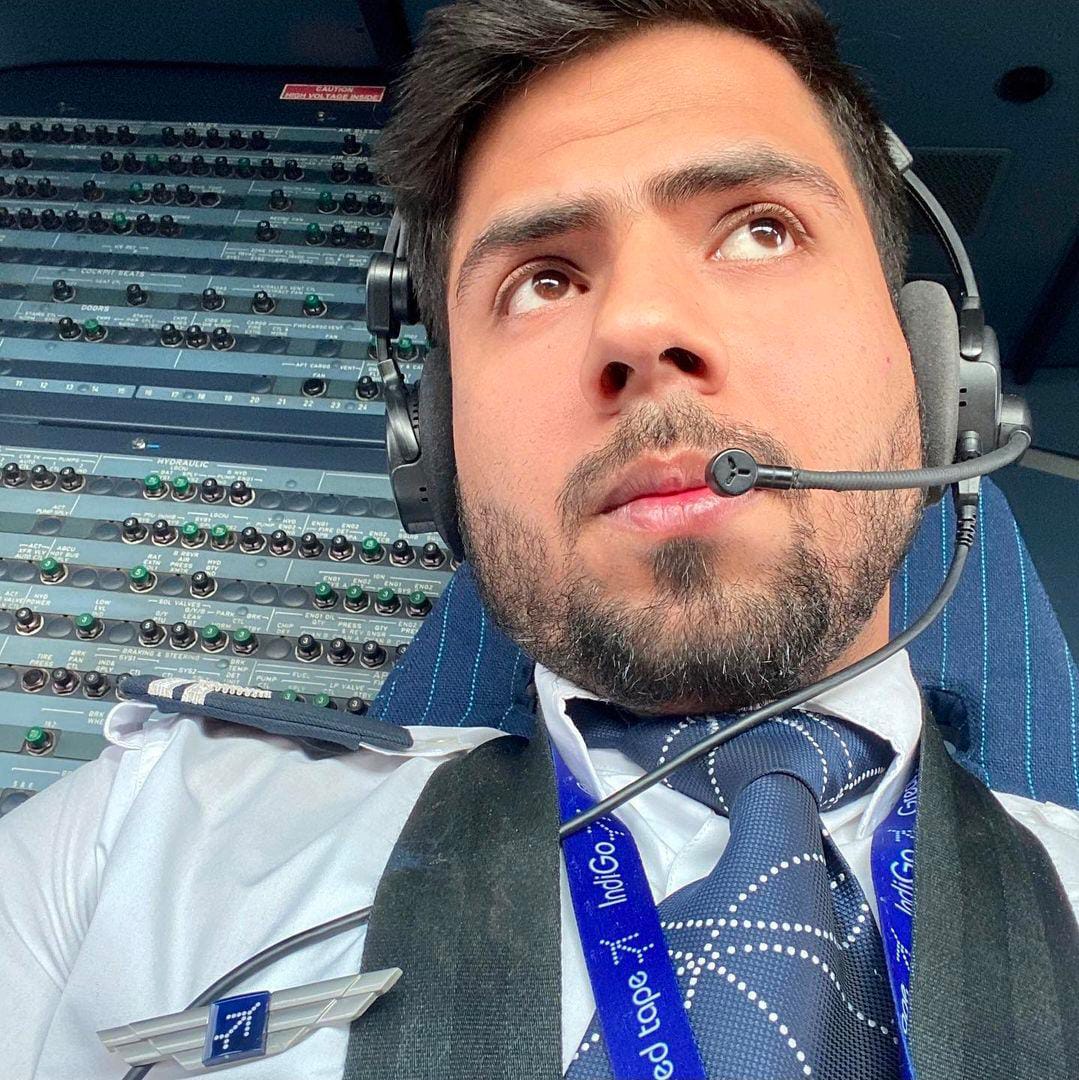
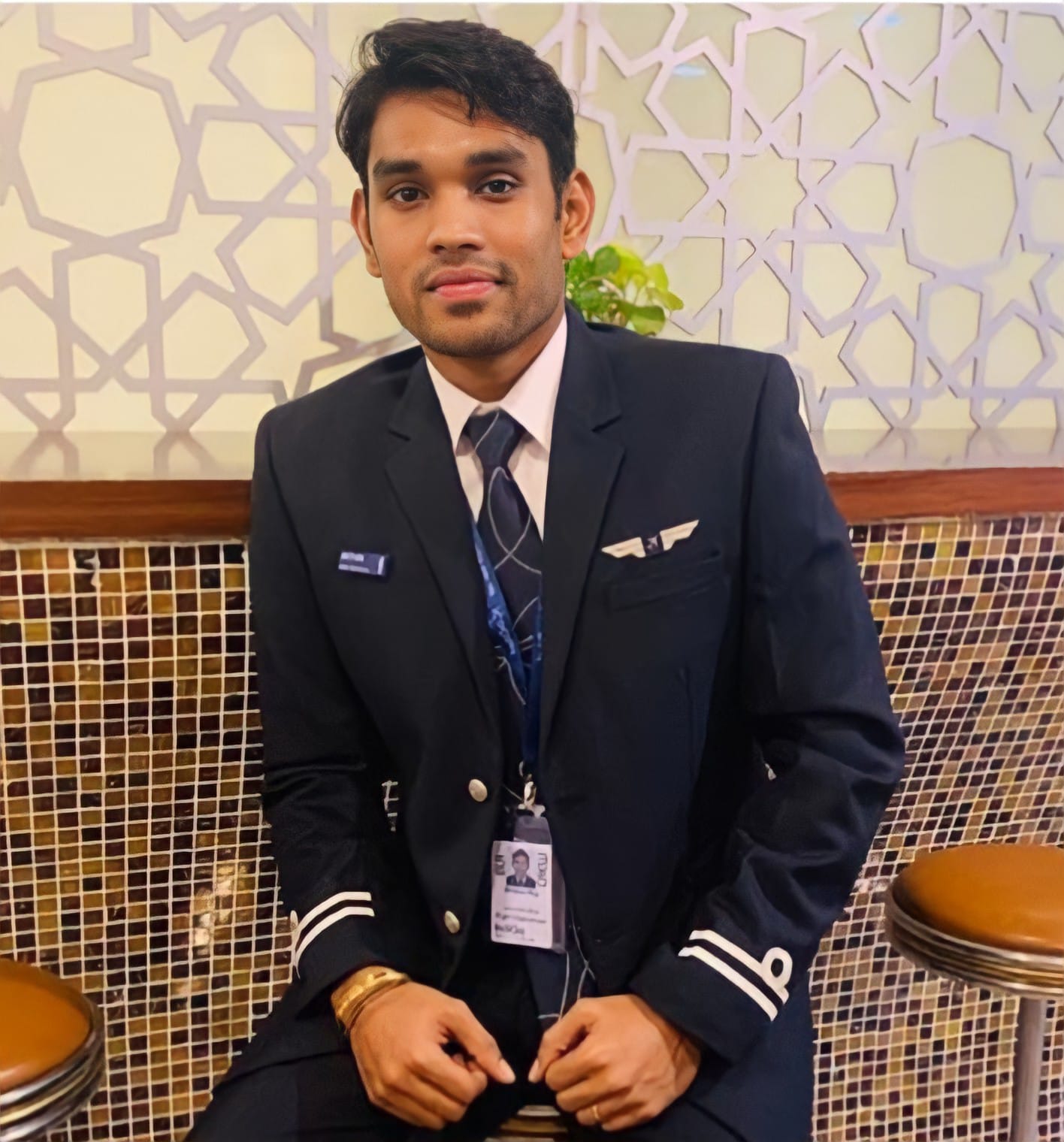
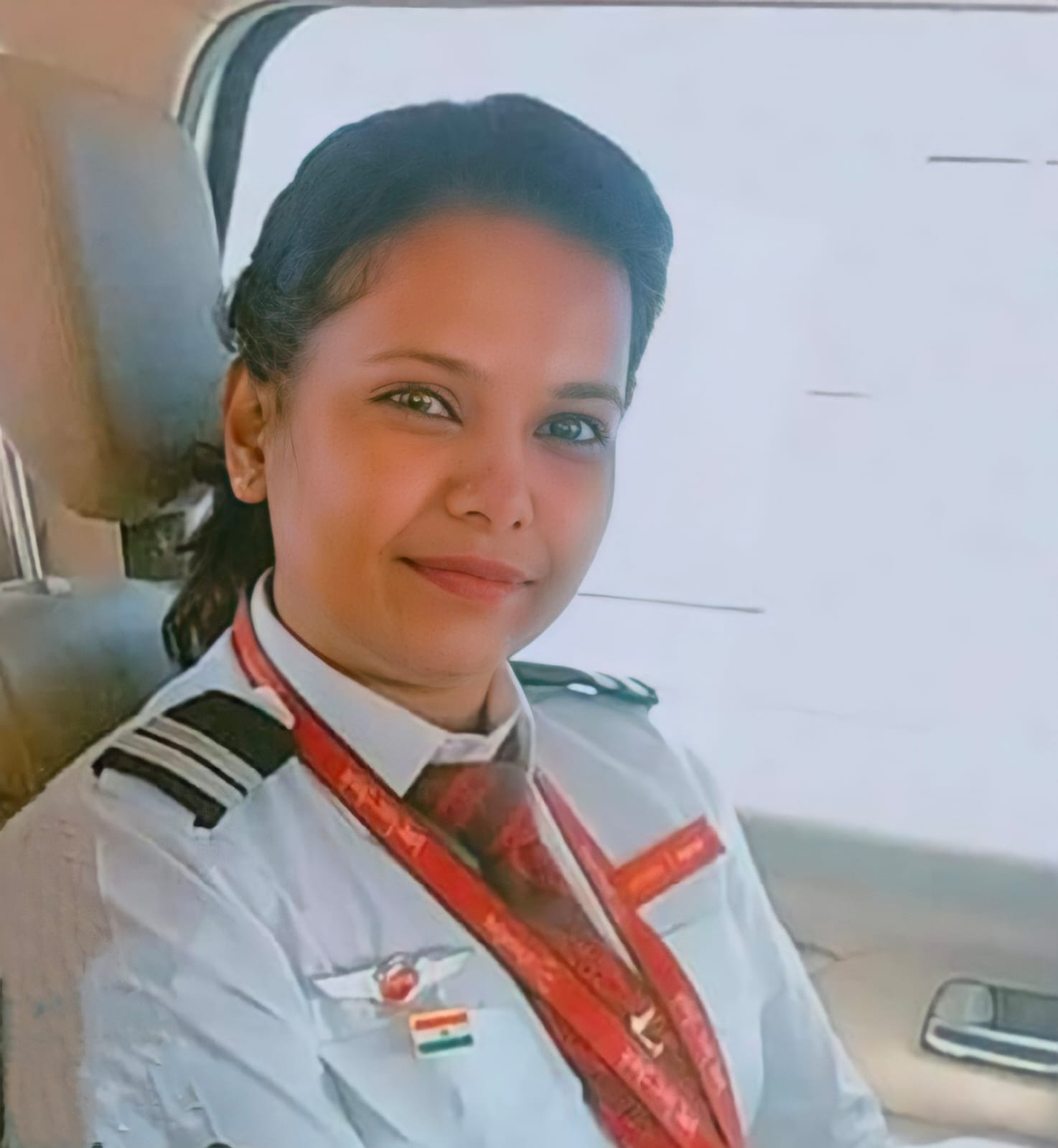
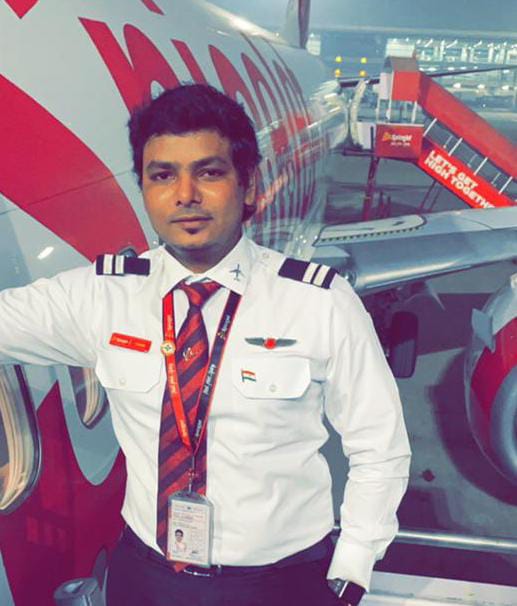
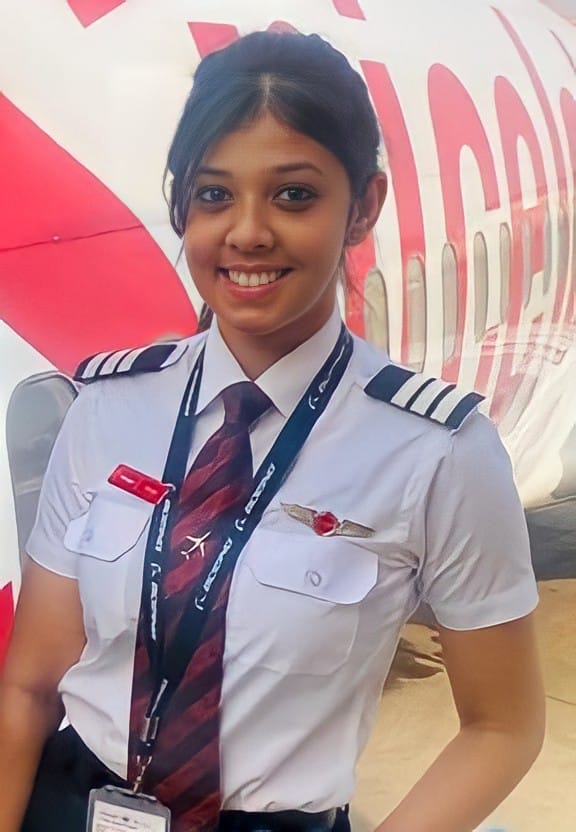
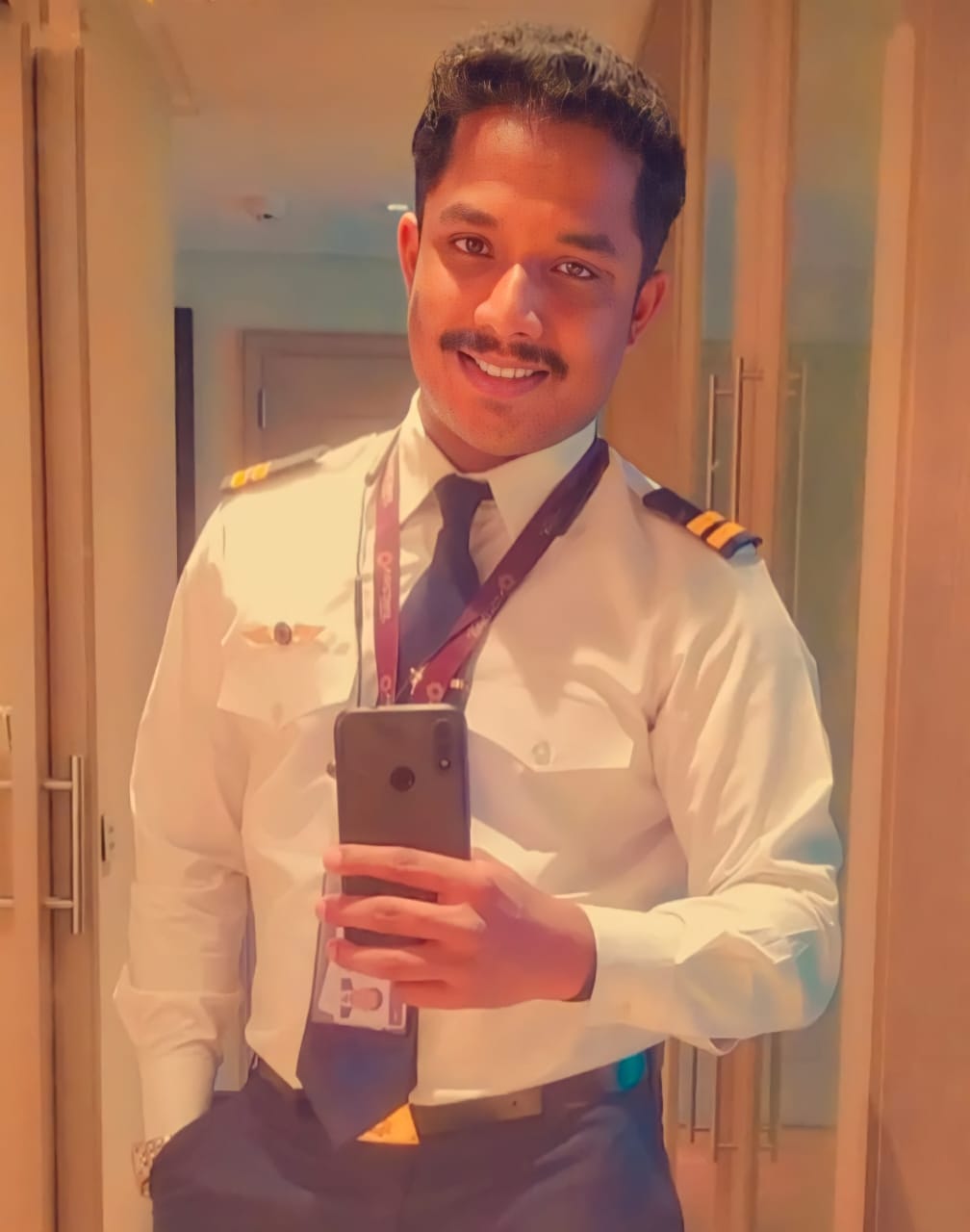
Student Gallery
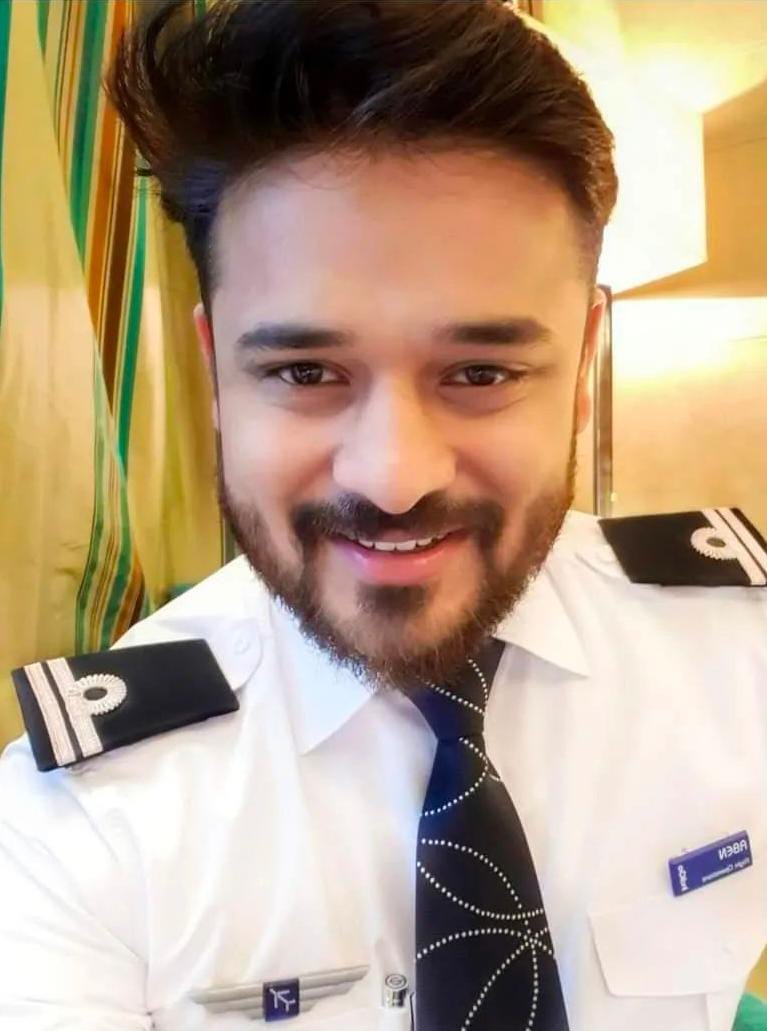
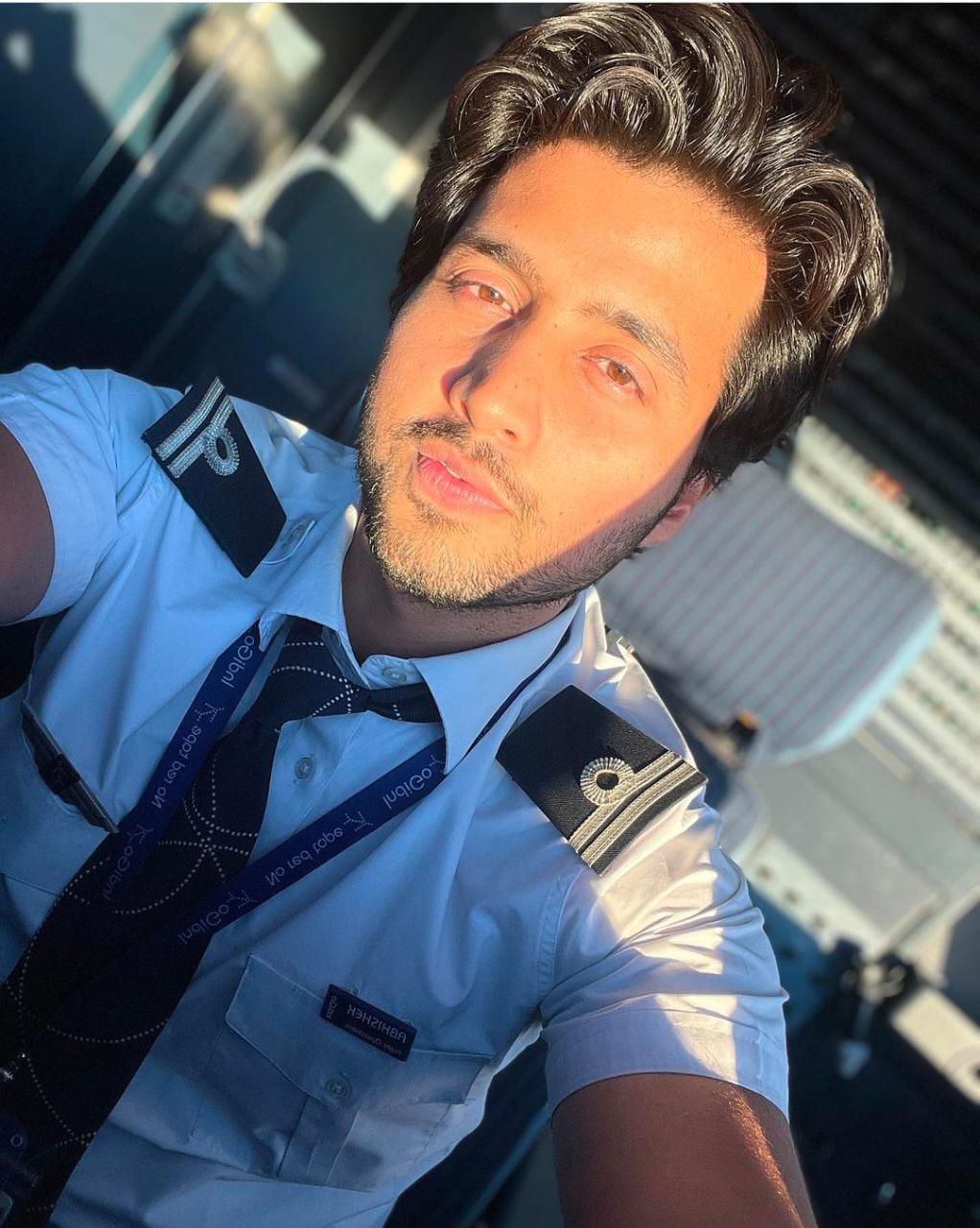
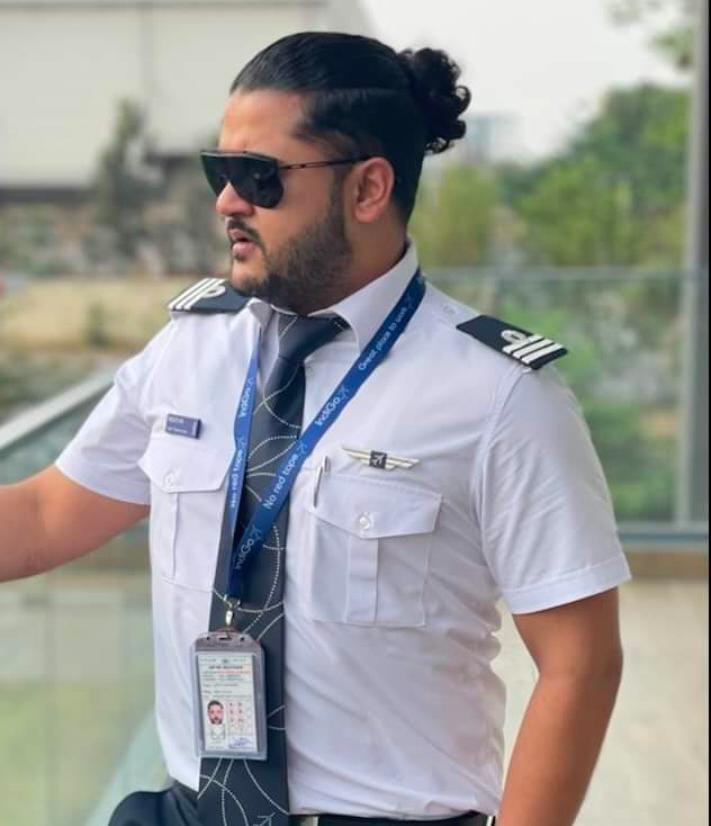
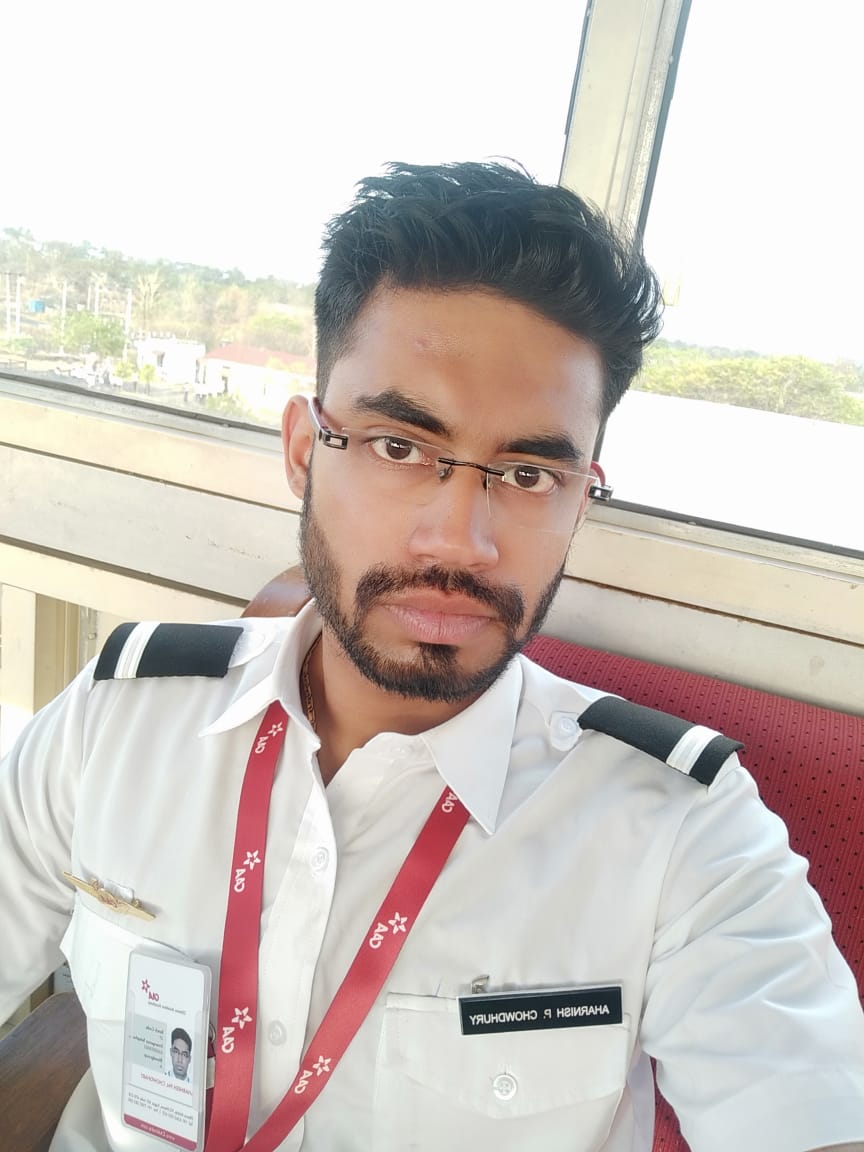
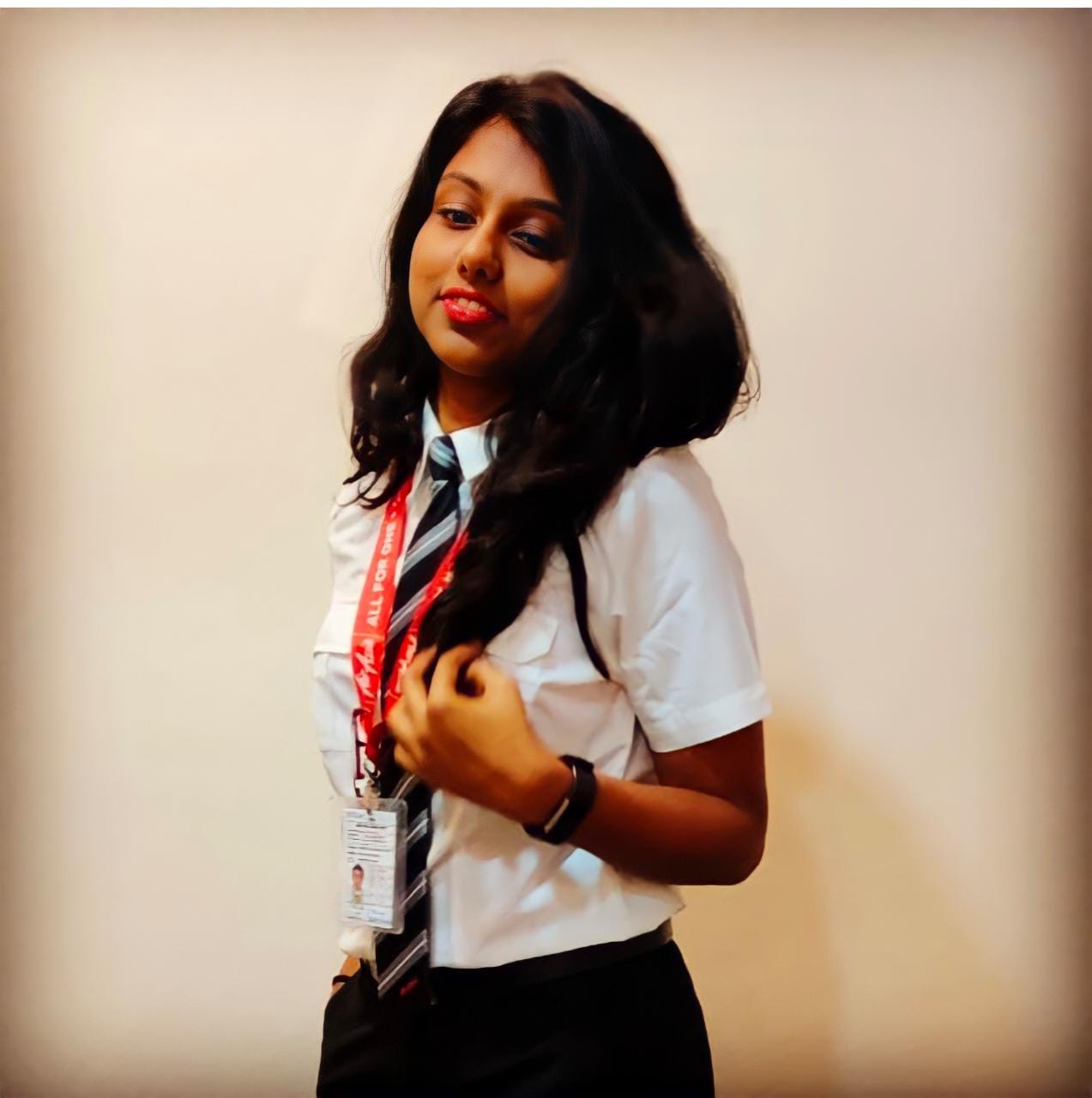
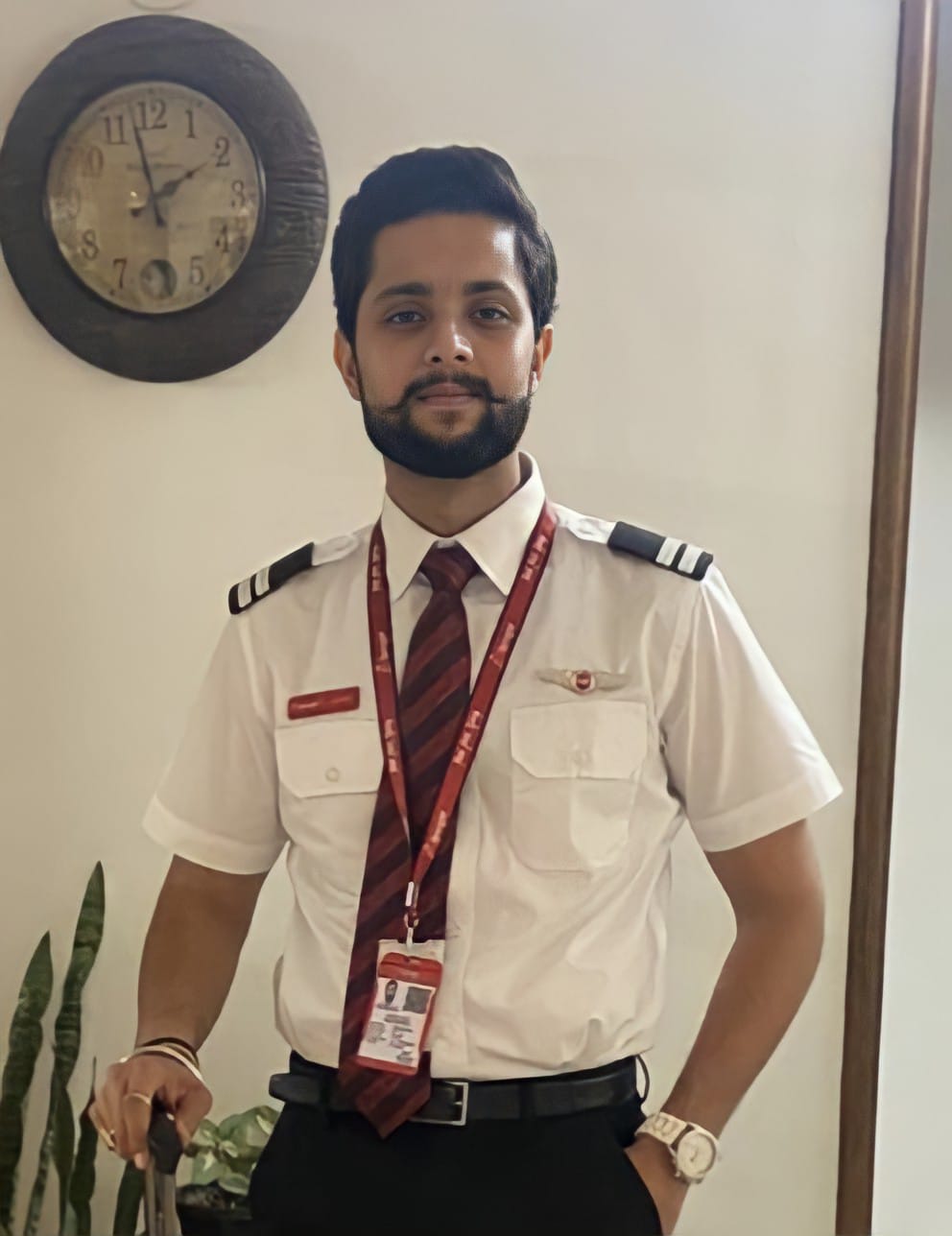
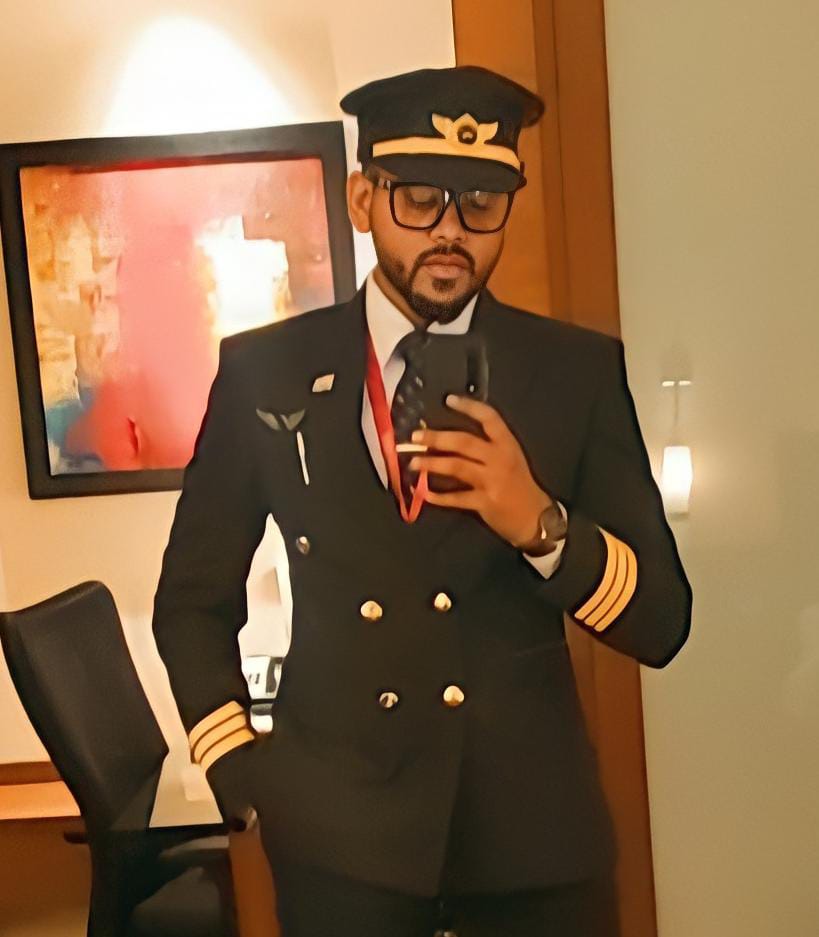
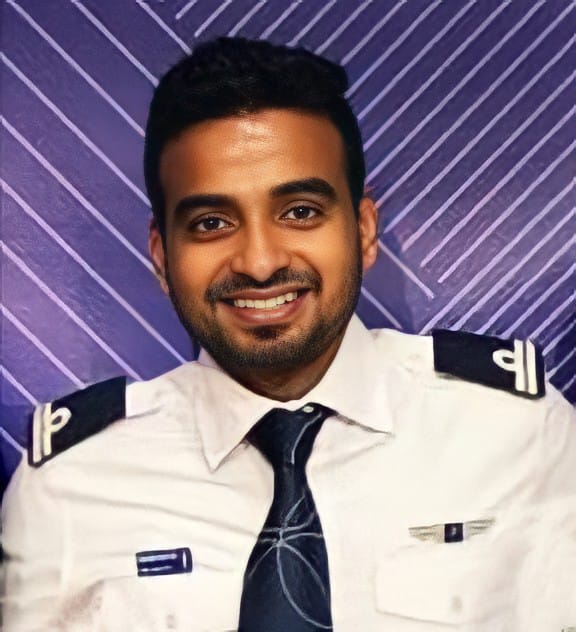
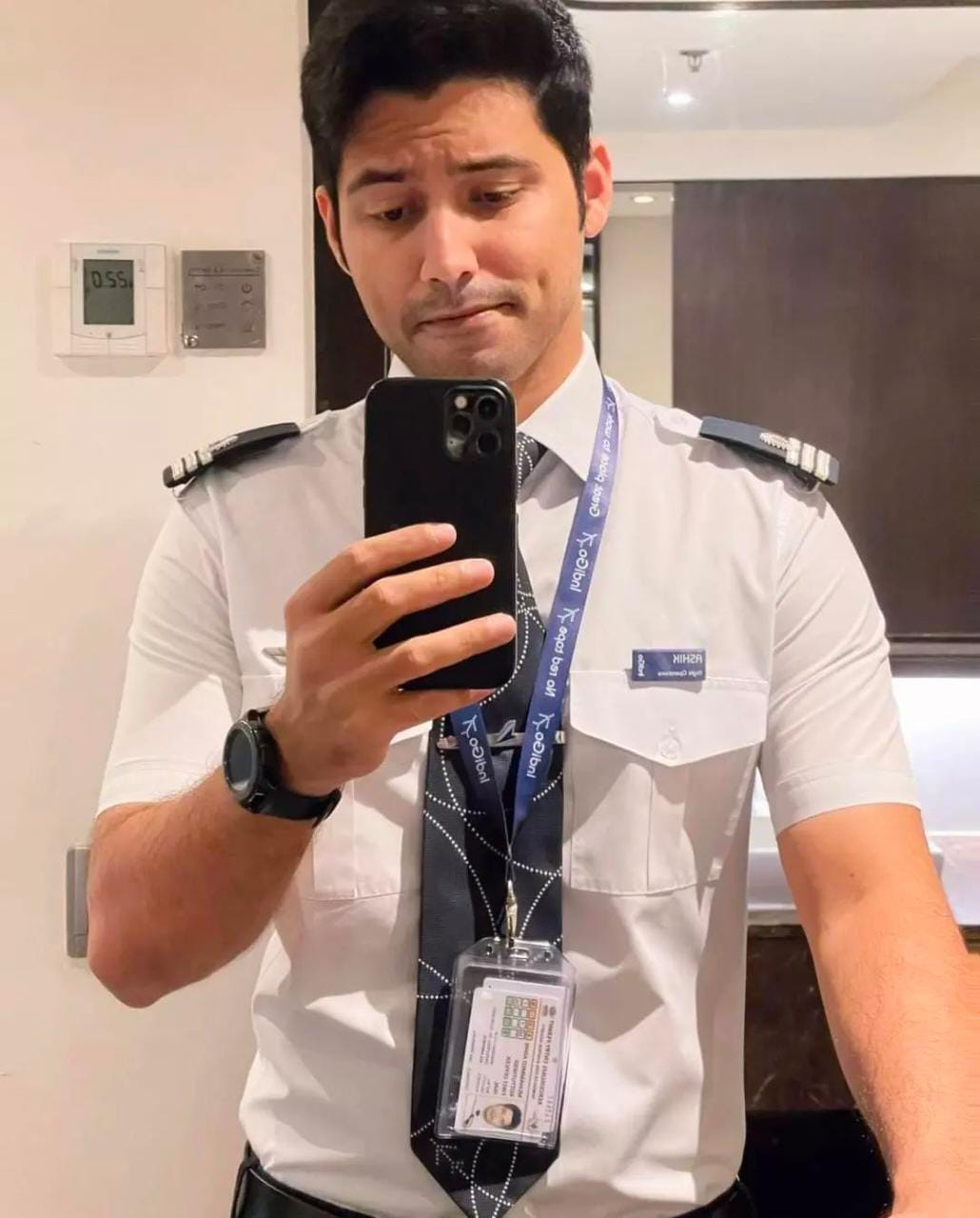
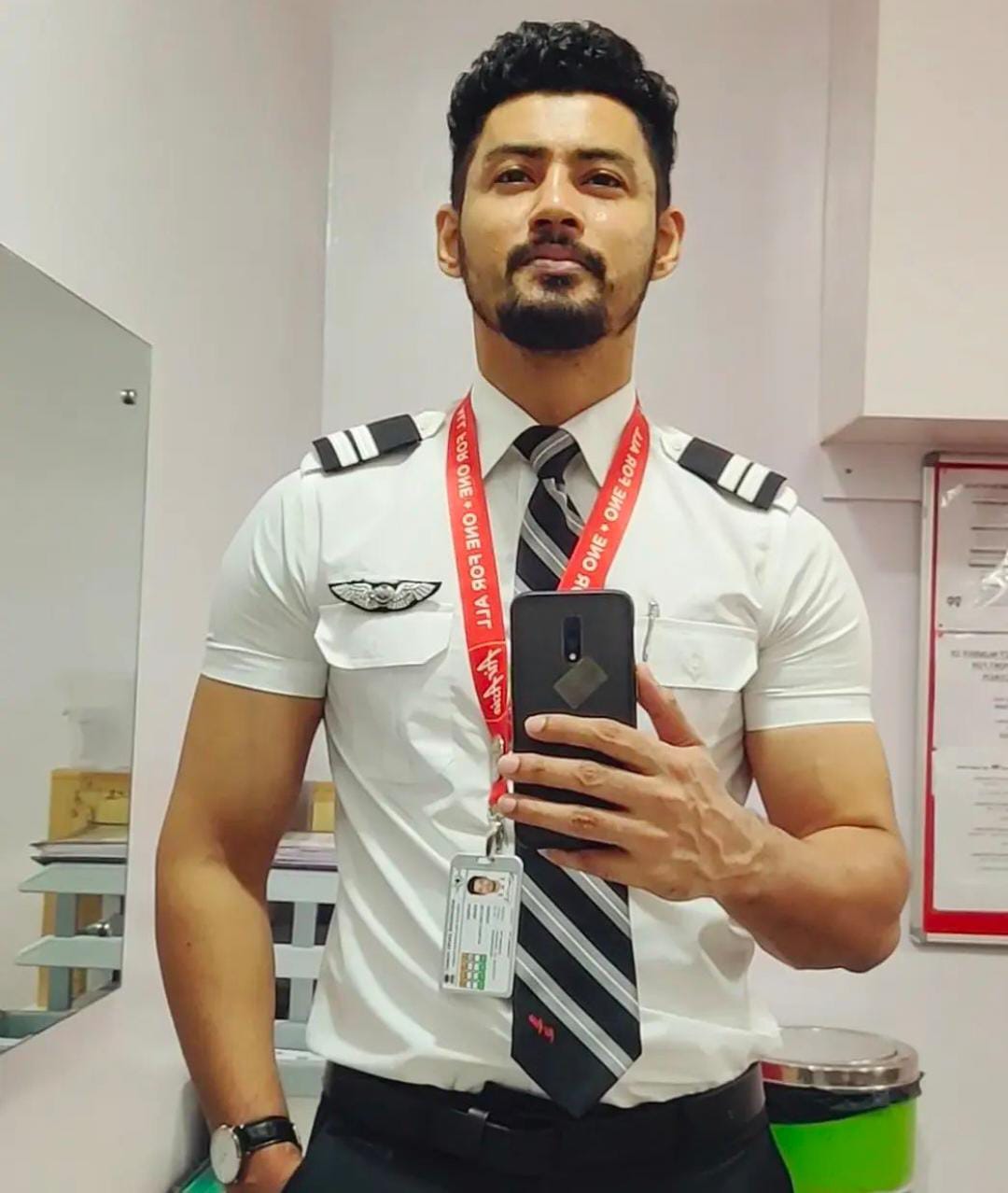

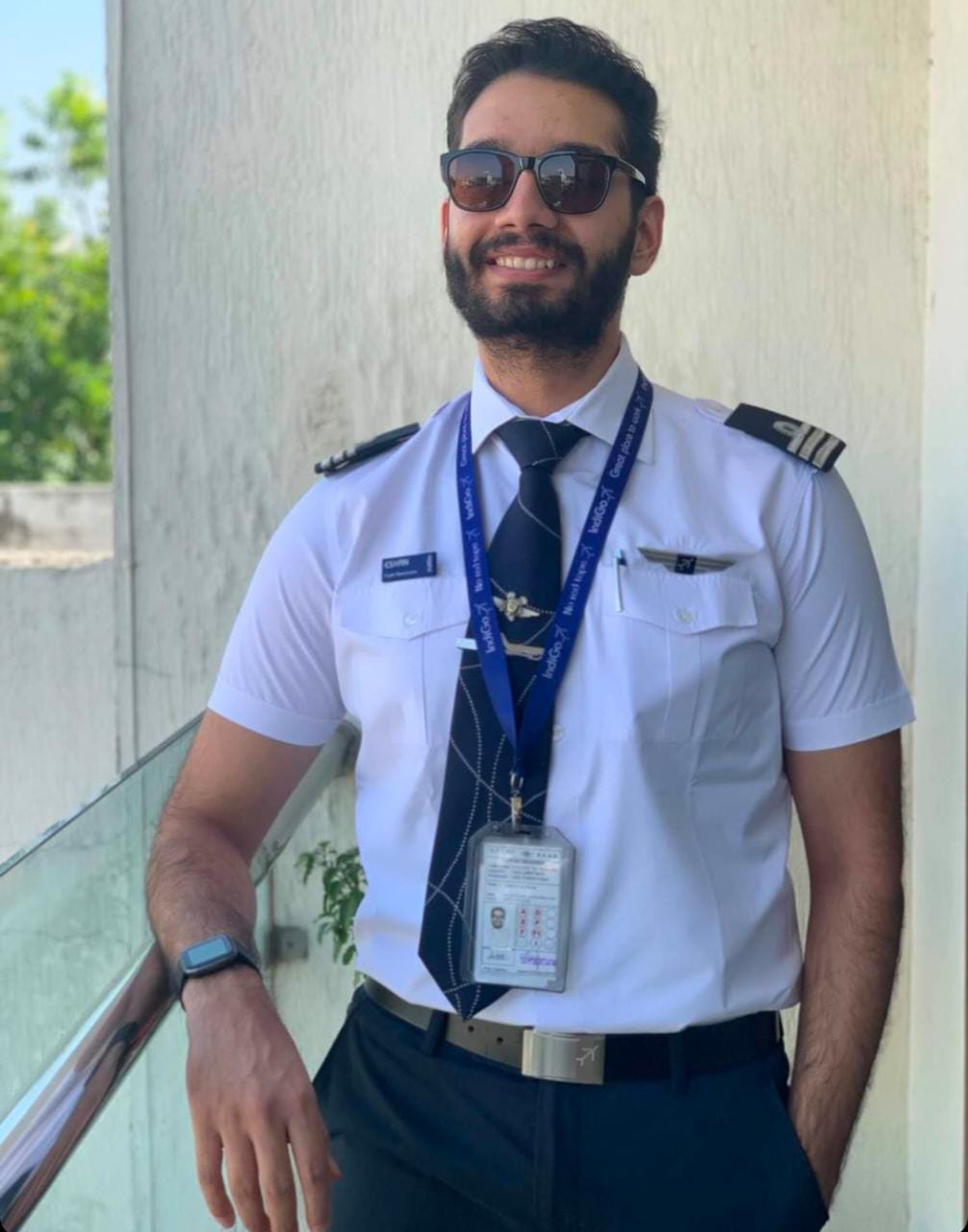
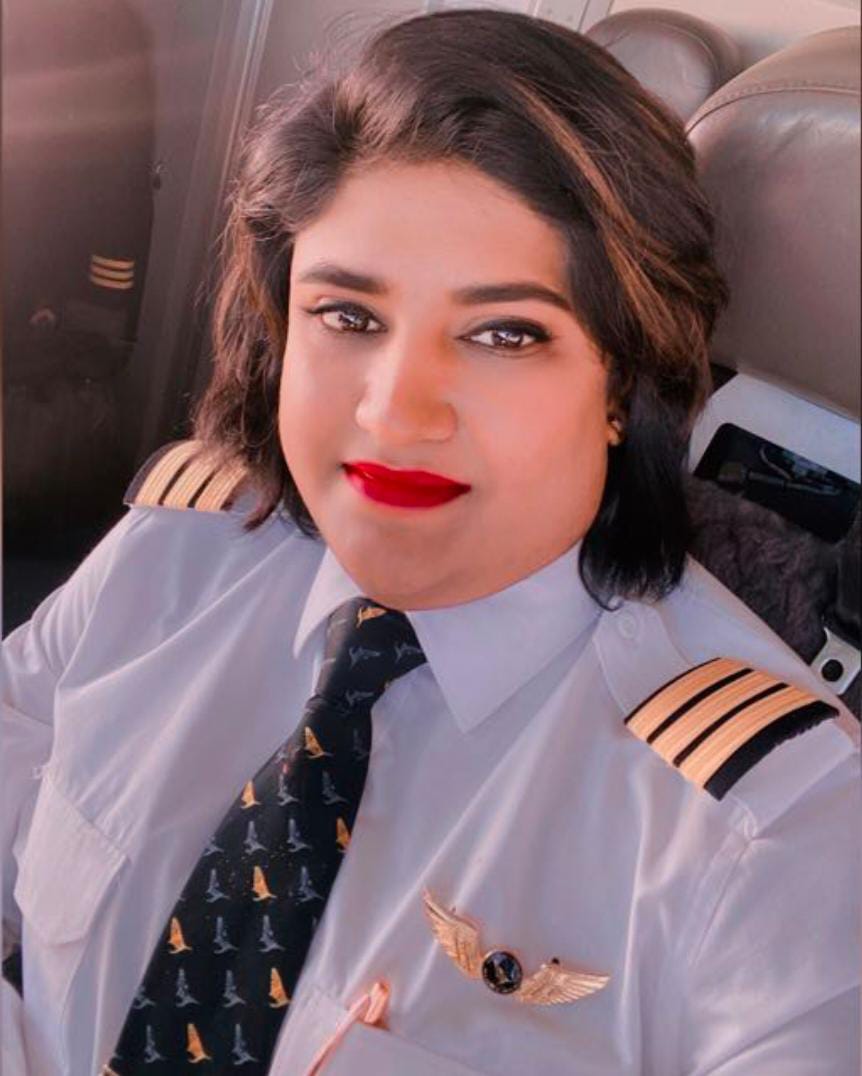
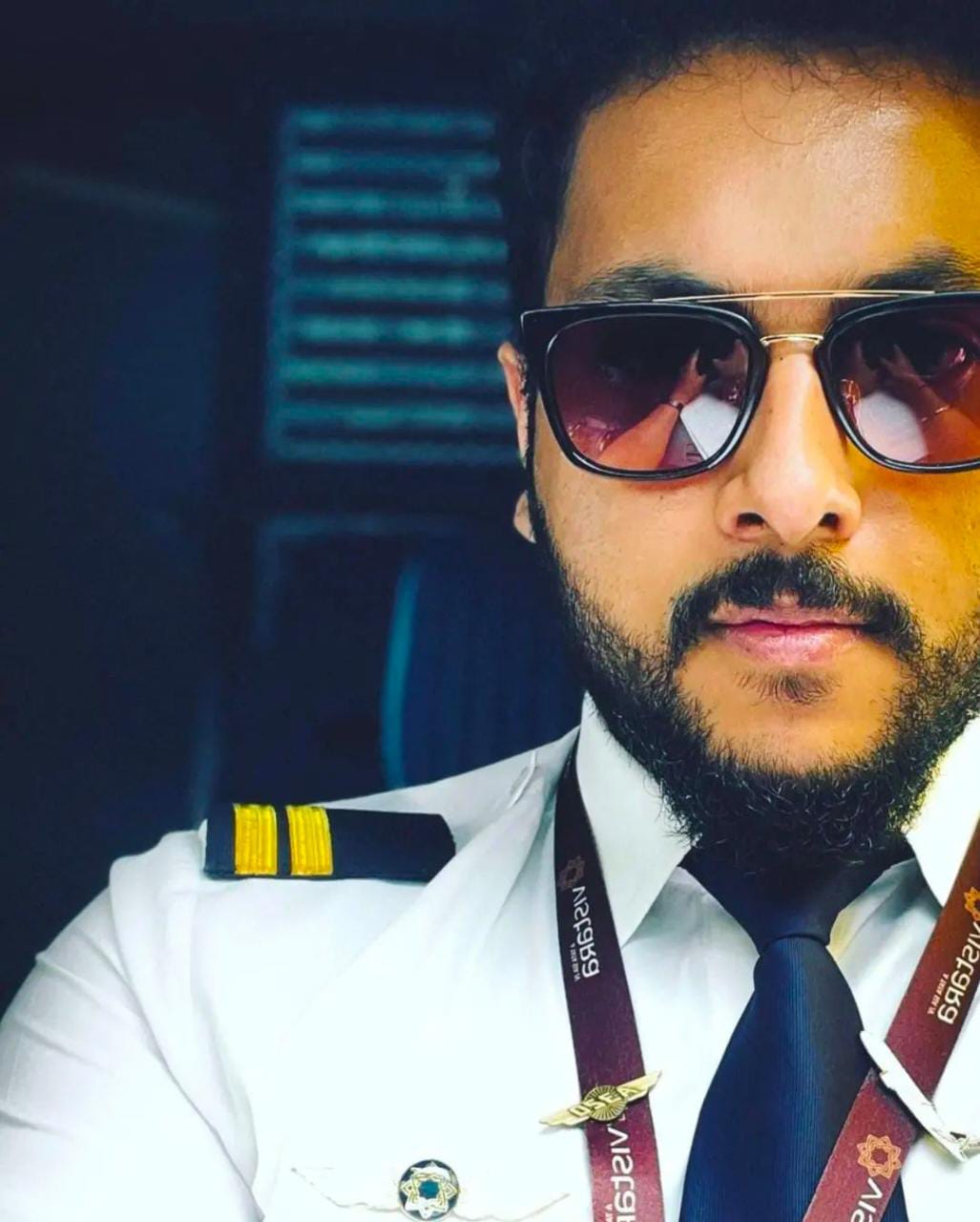
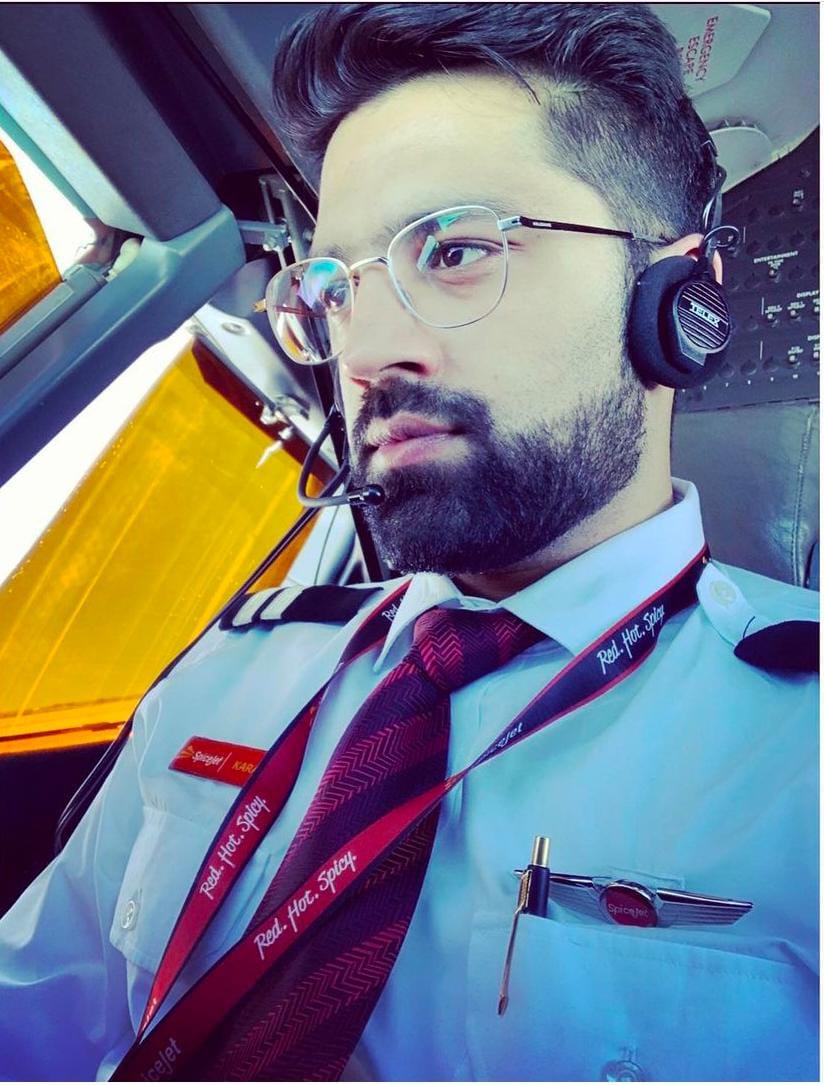
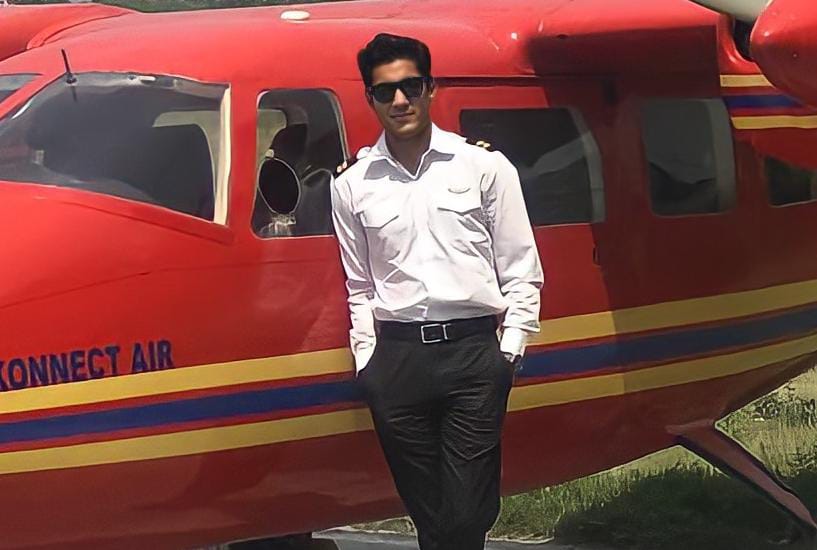
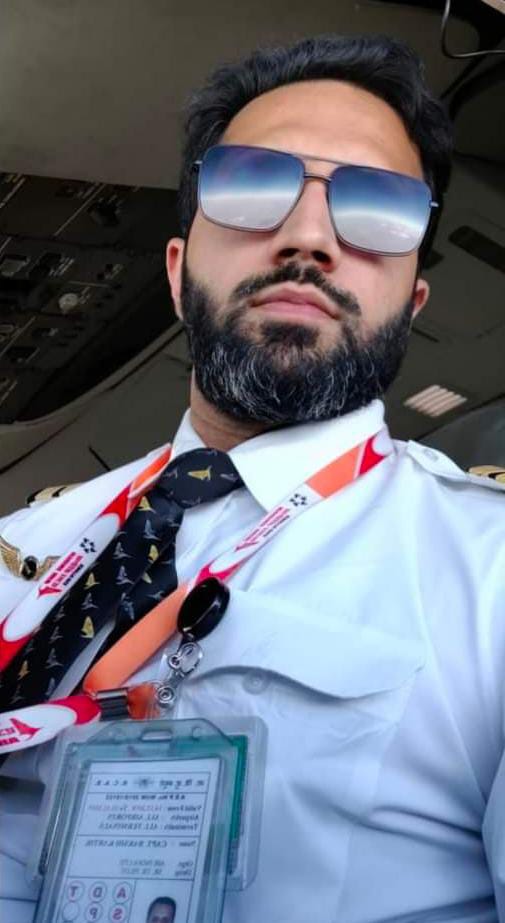
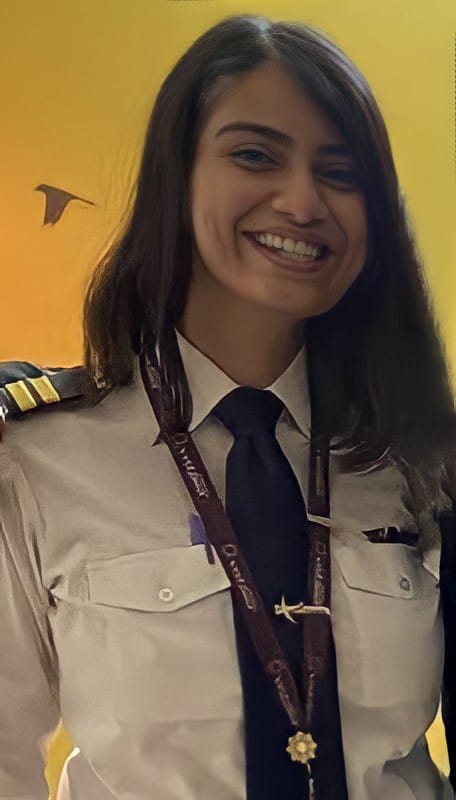
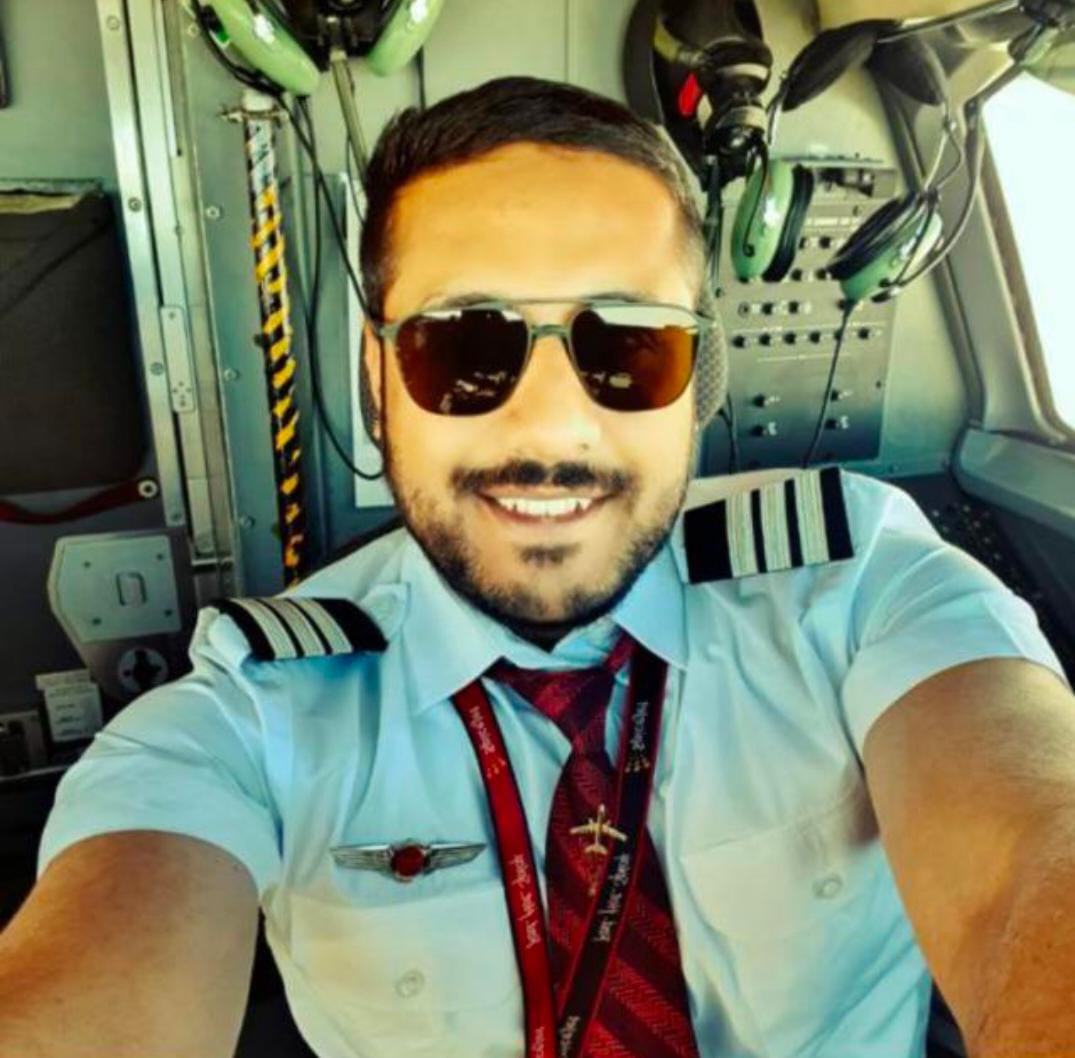
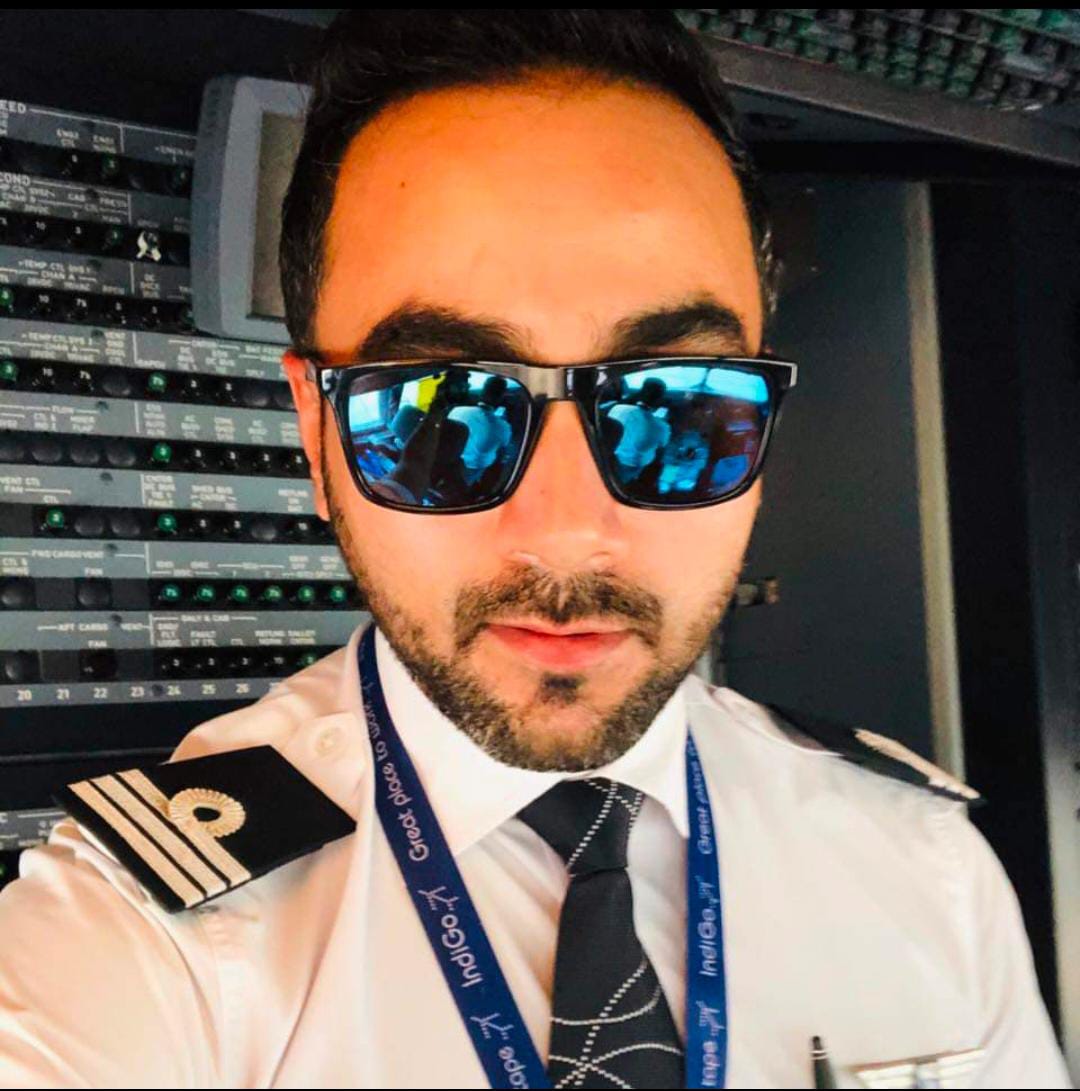
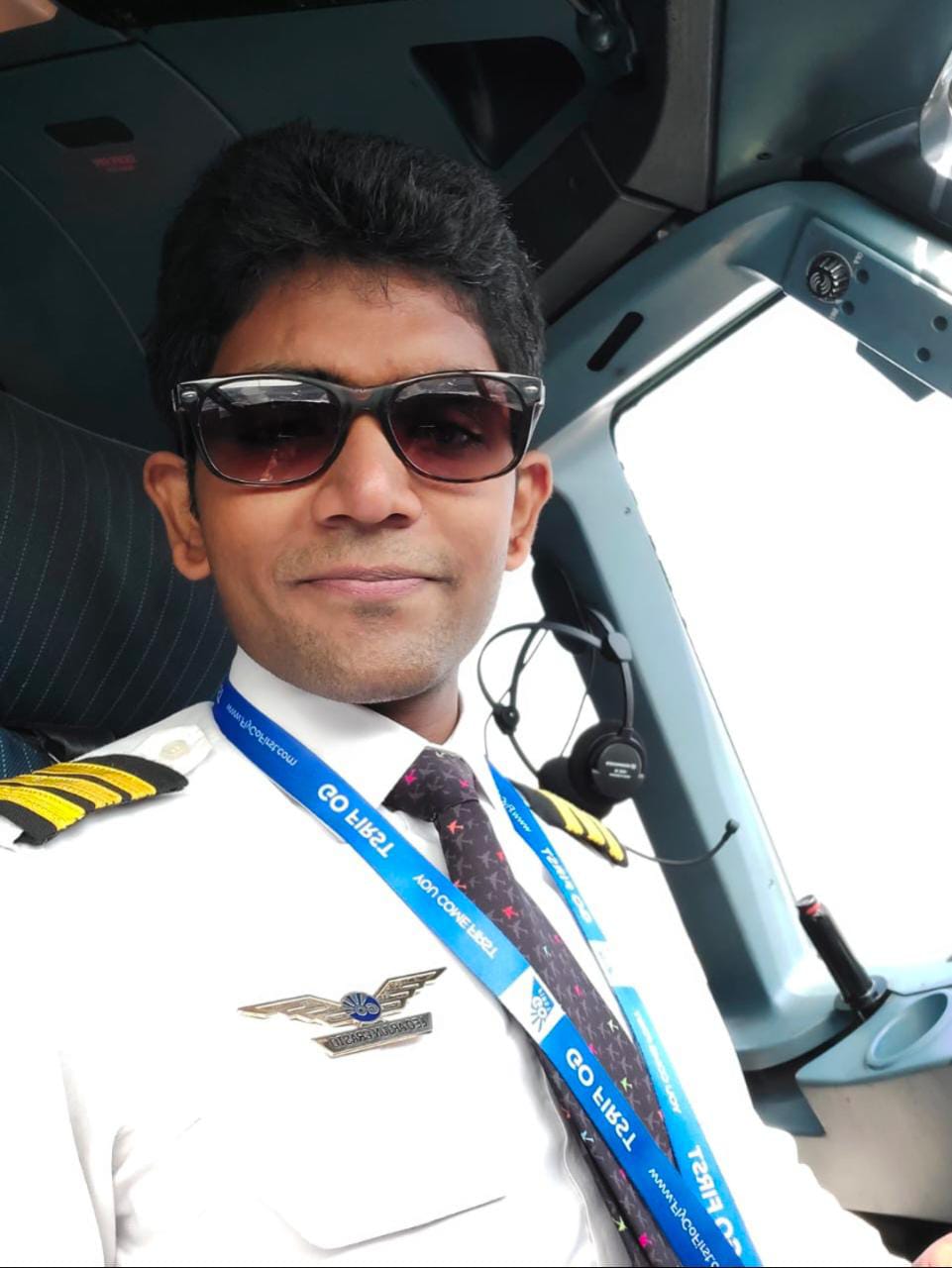
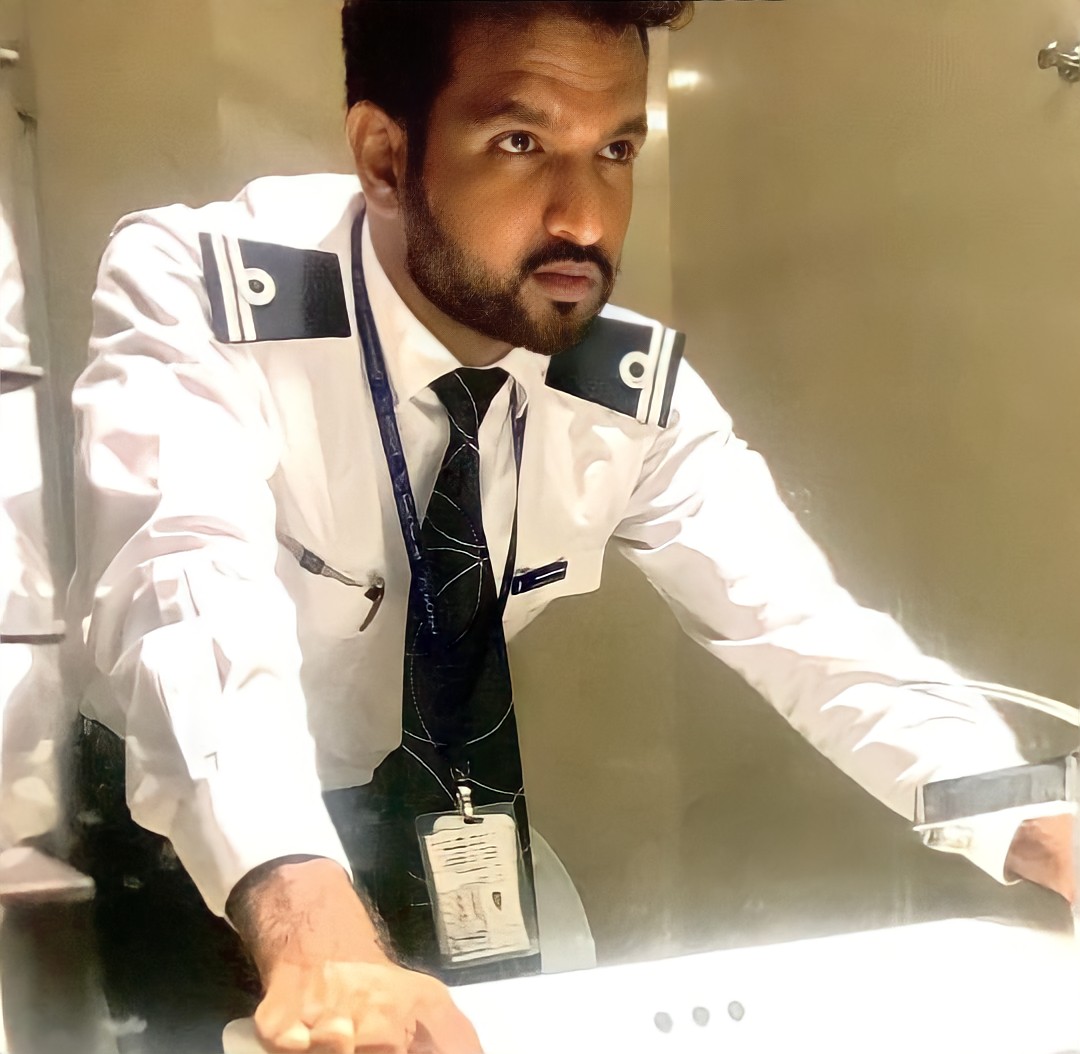
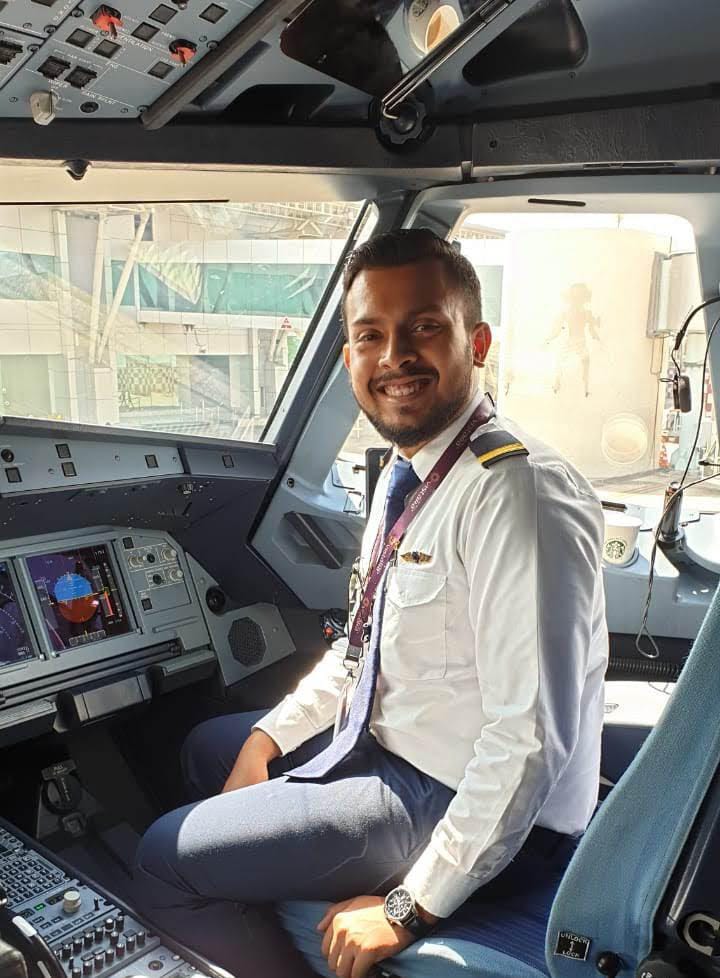
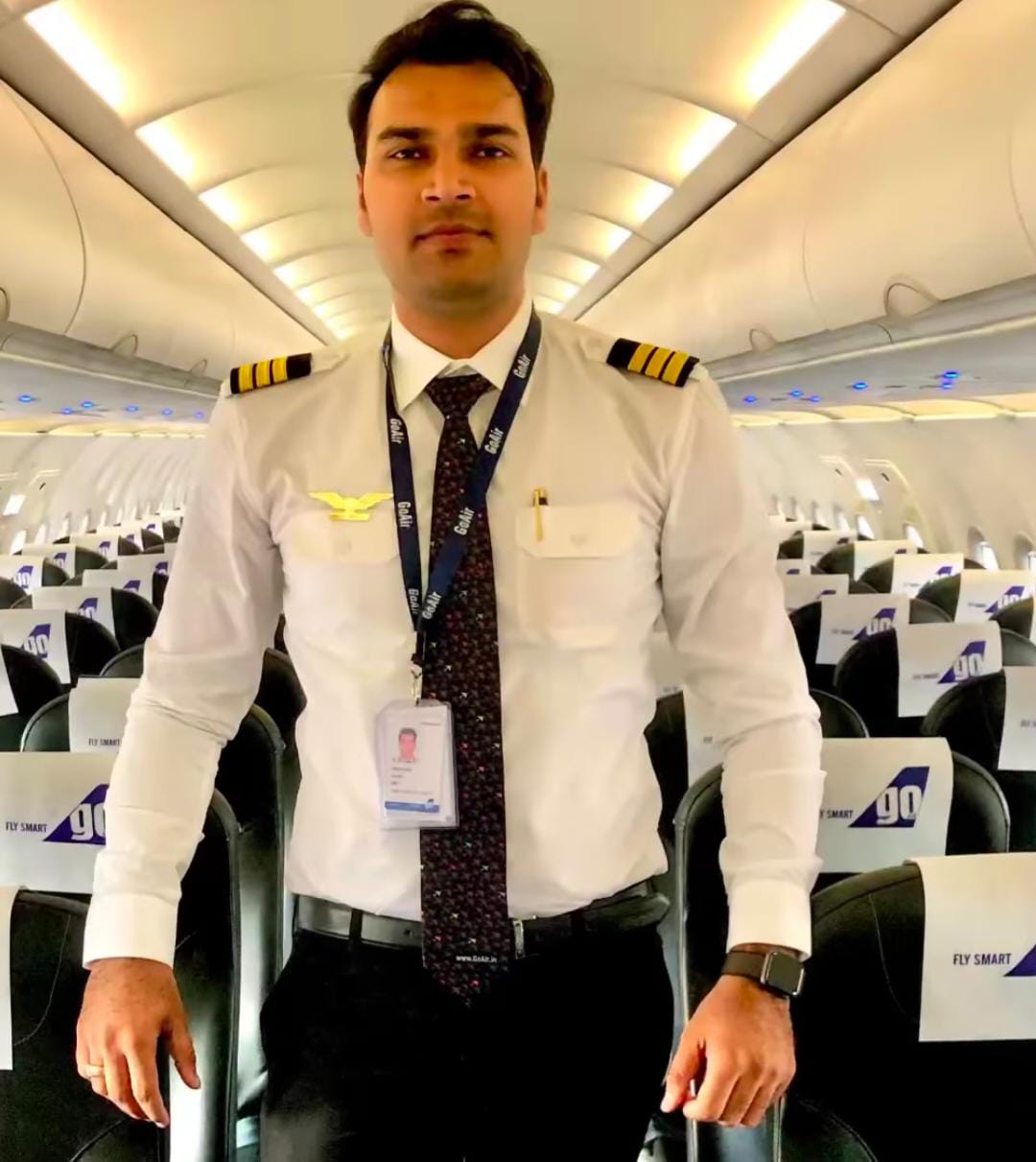
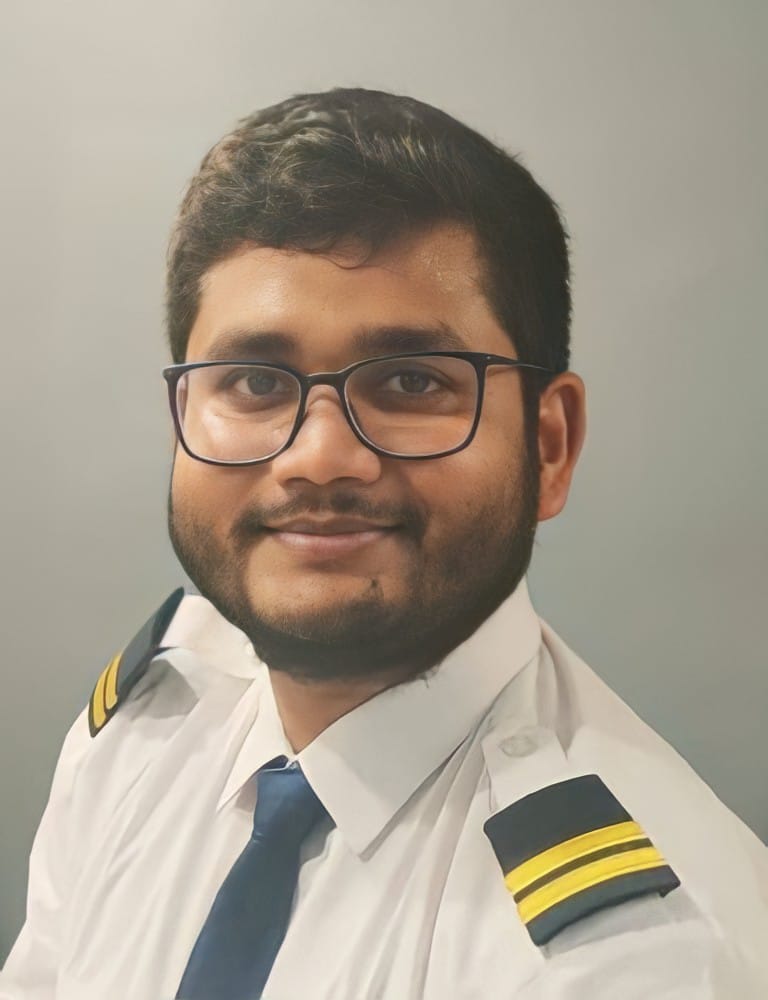
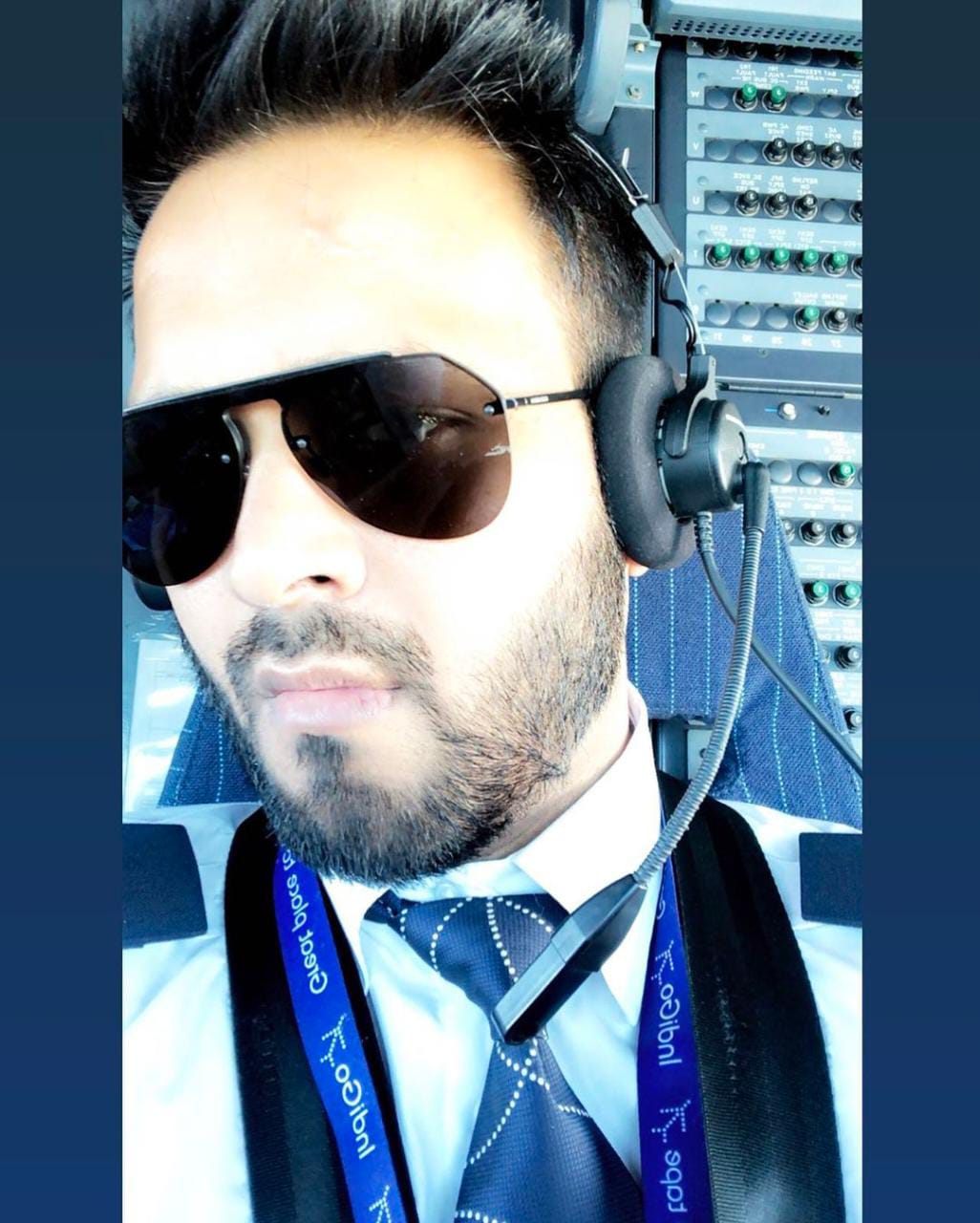
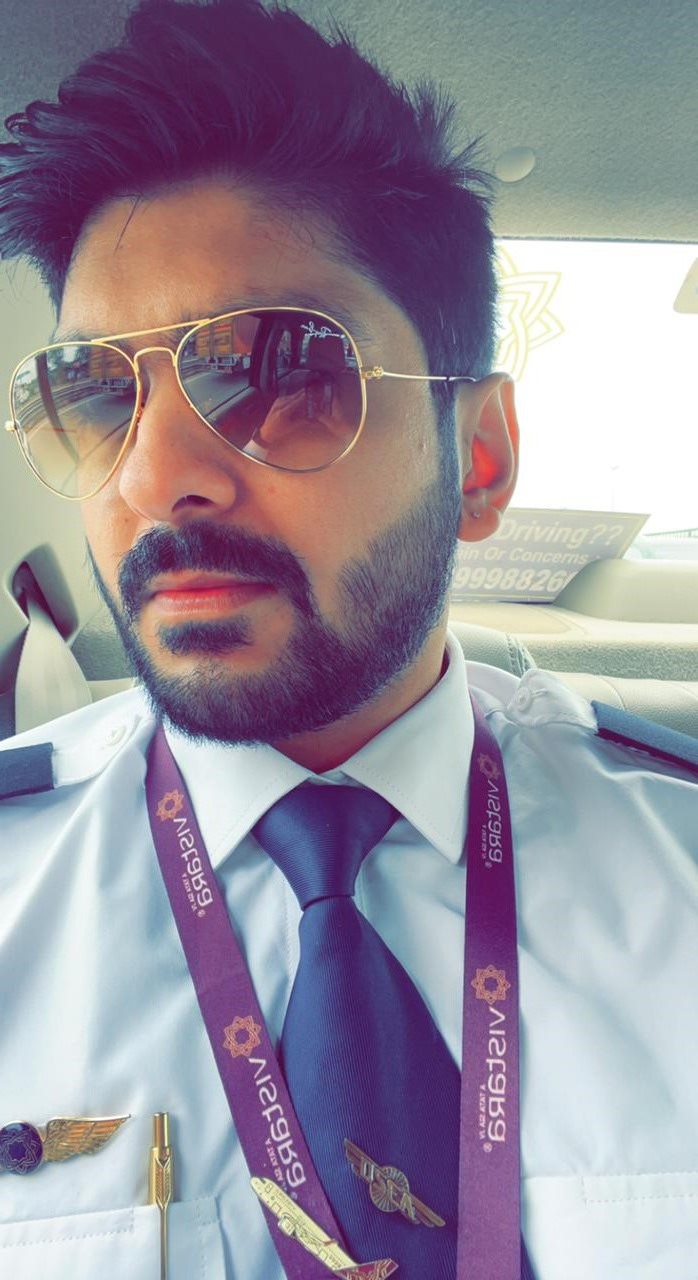

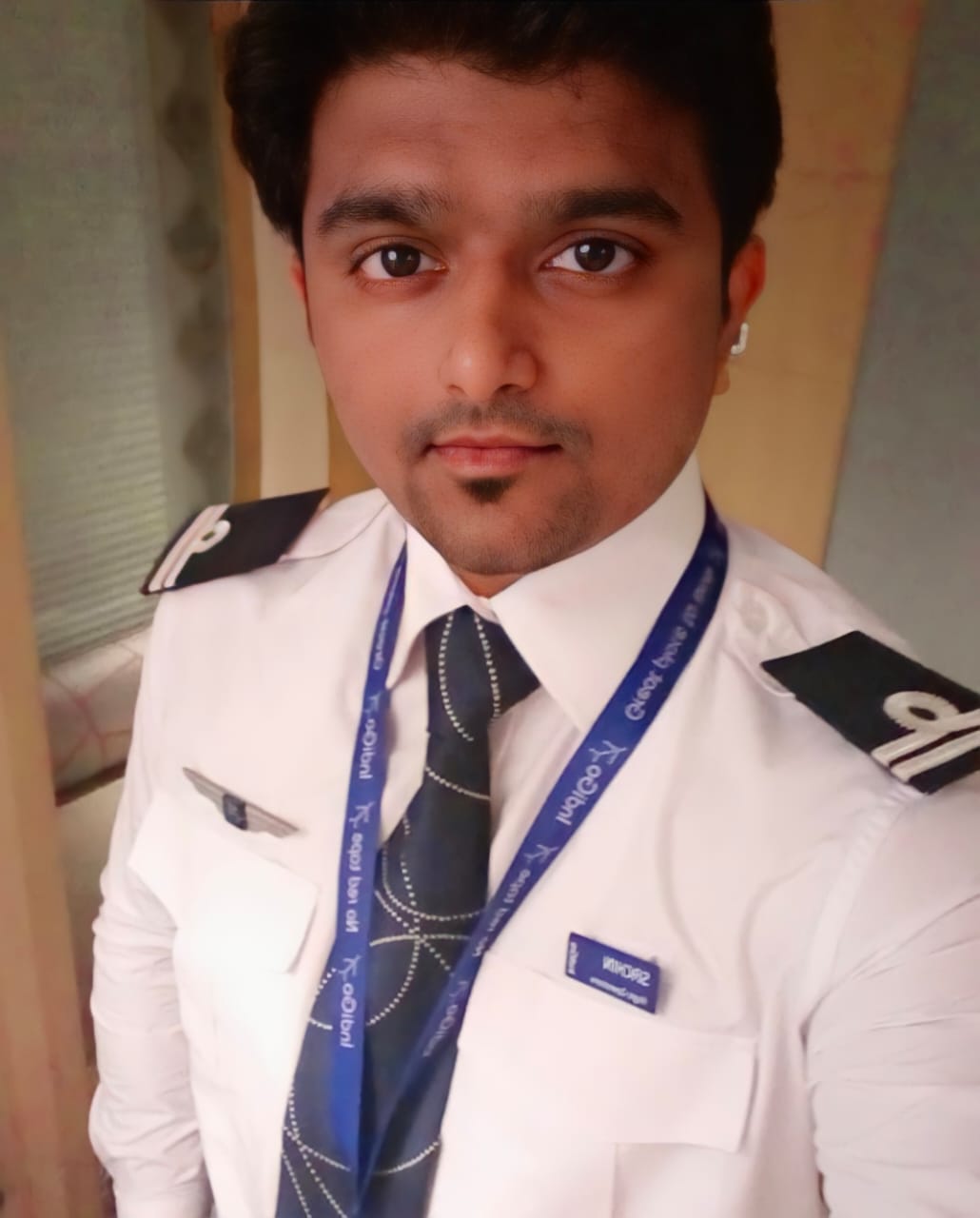
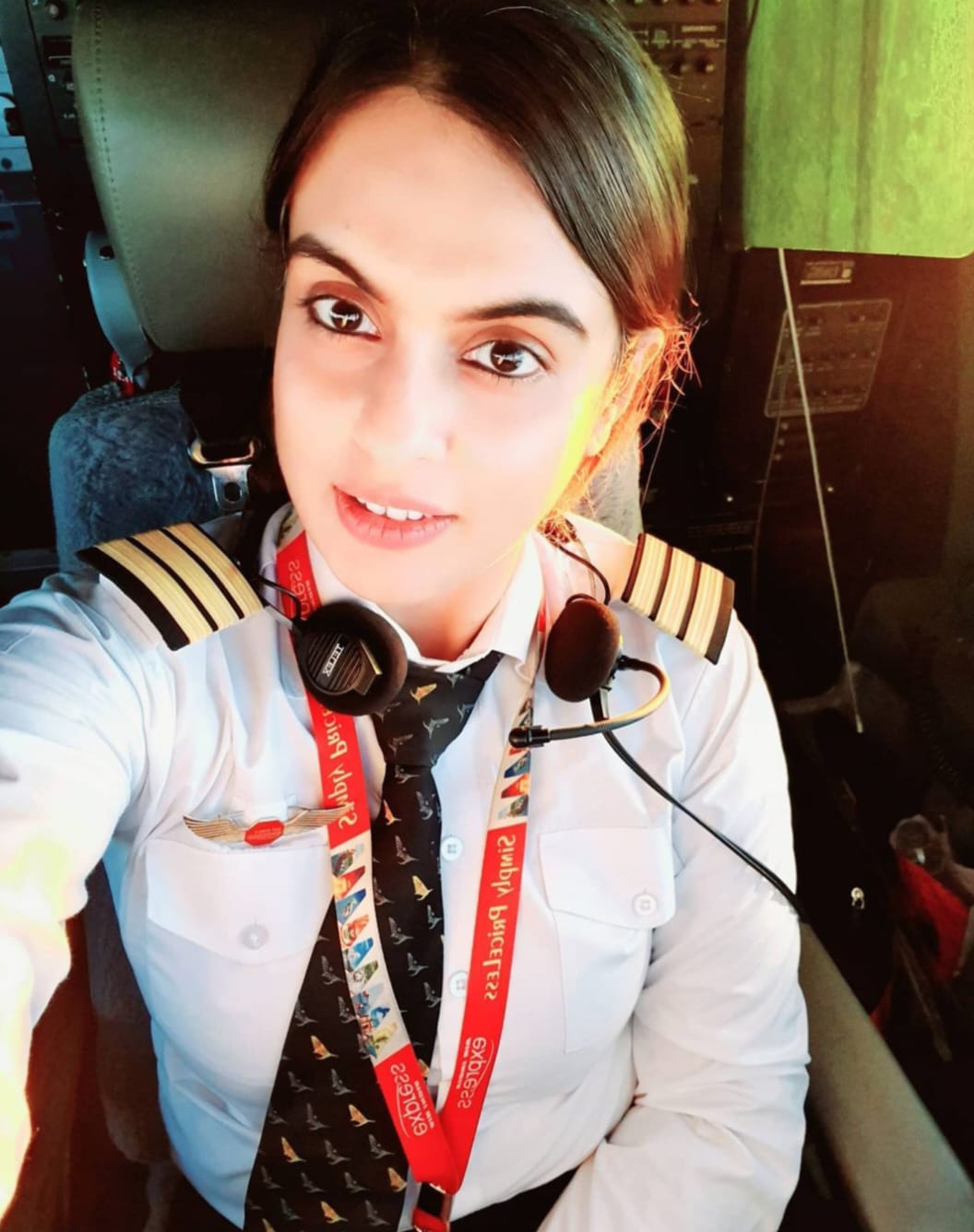
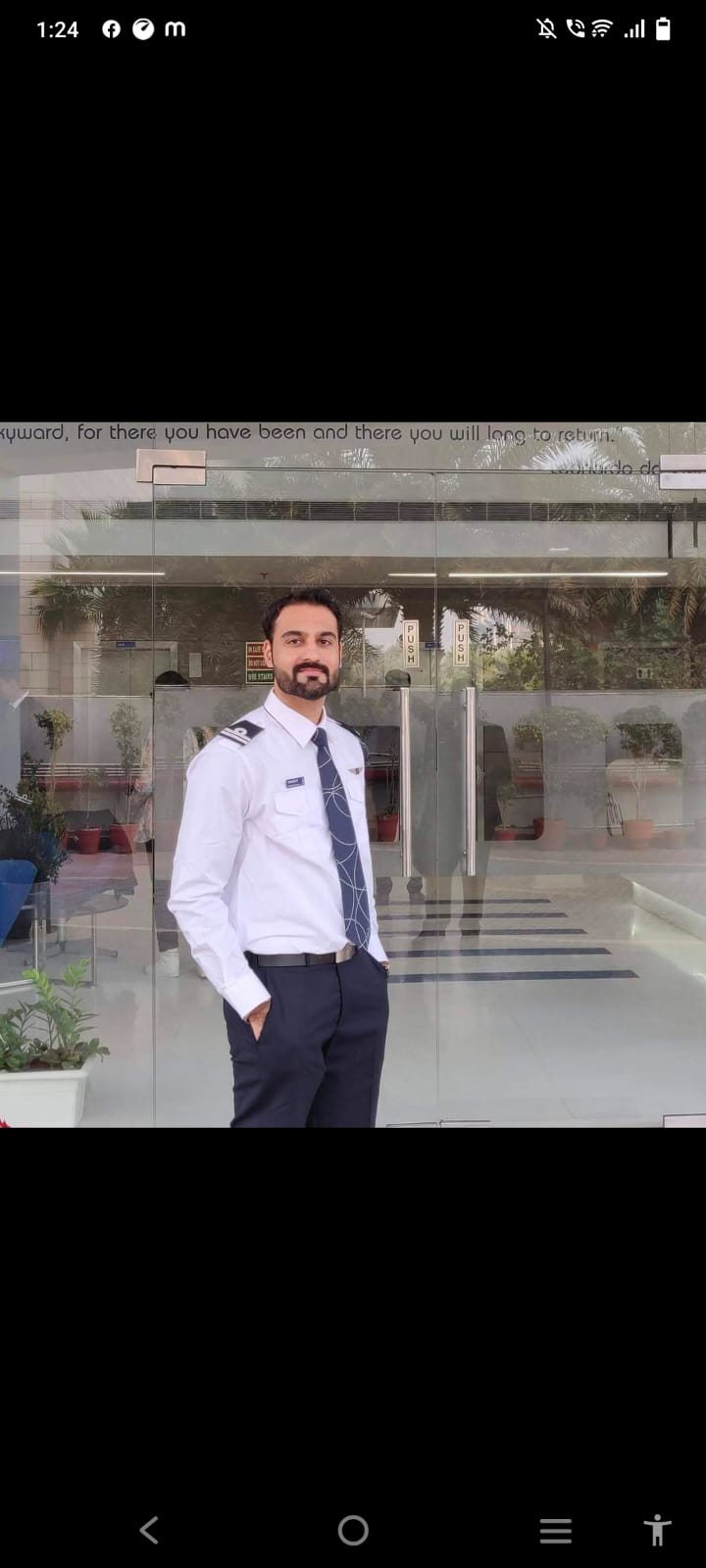
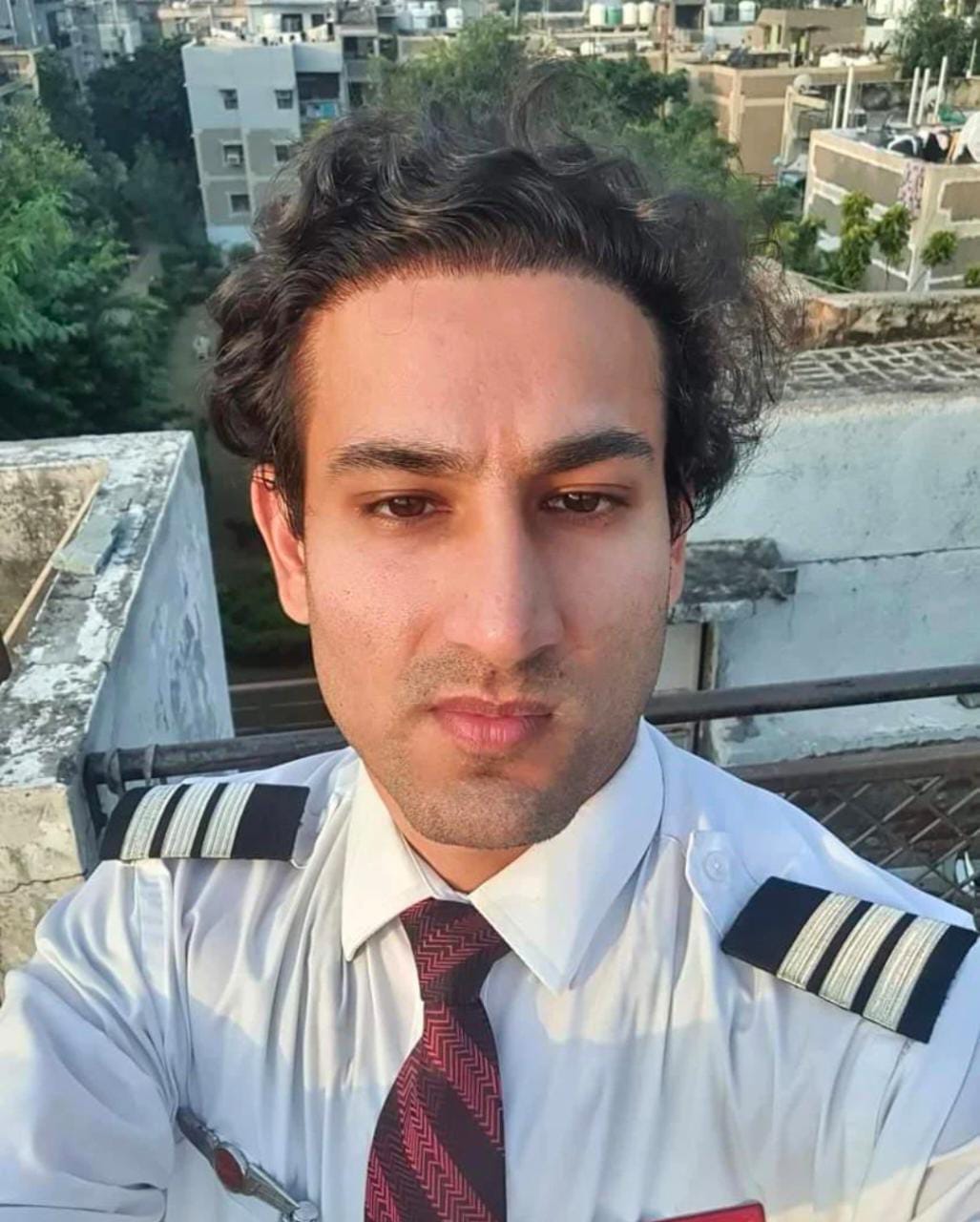
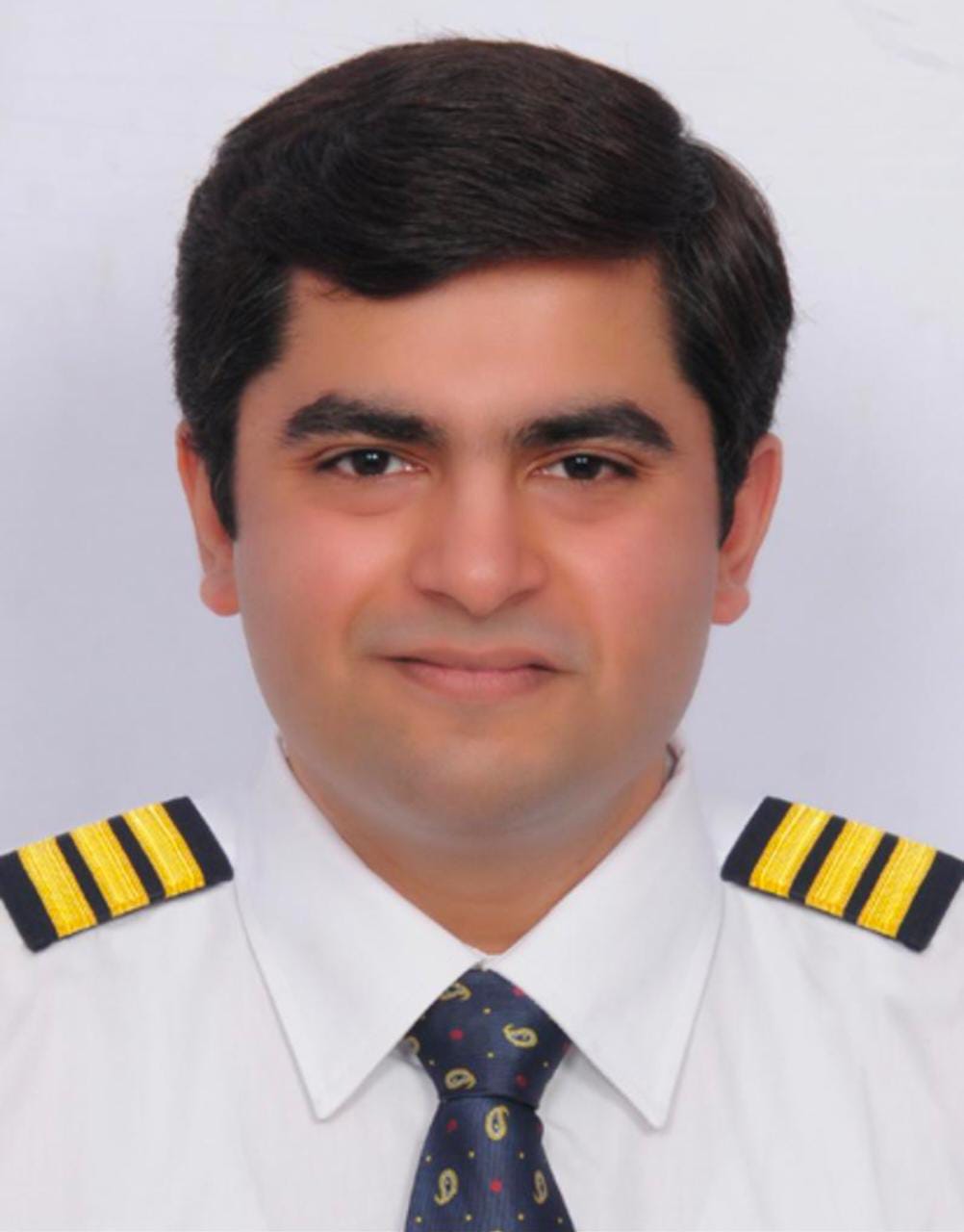
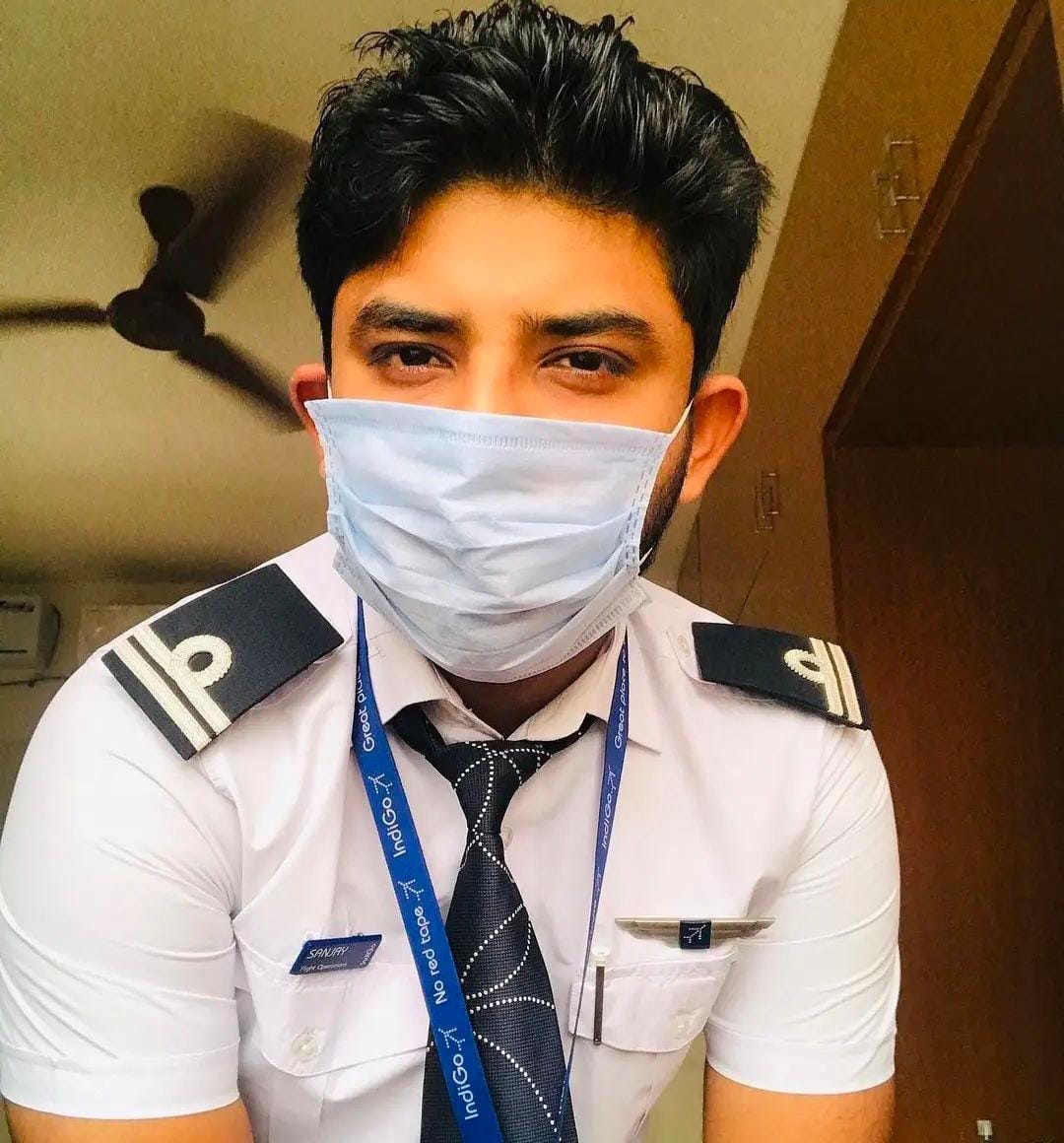
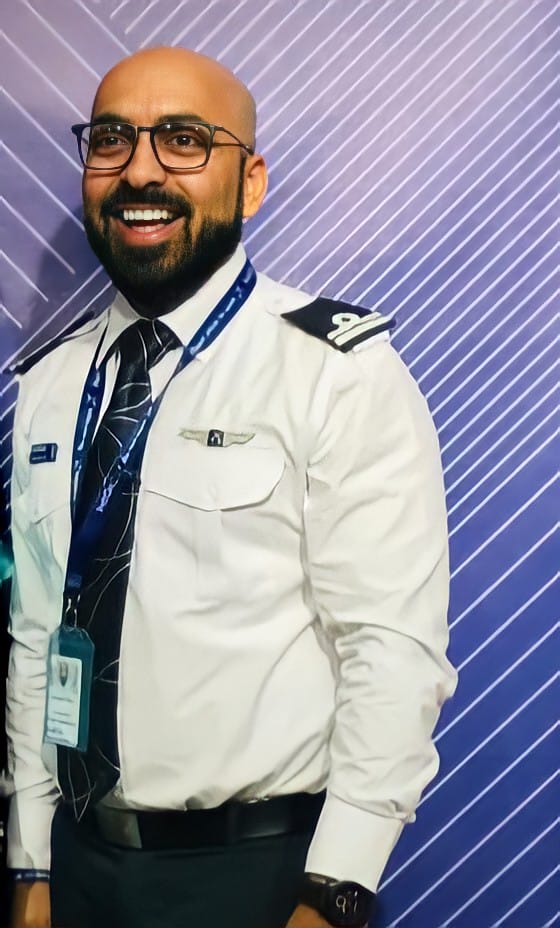
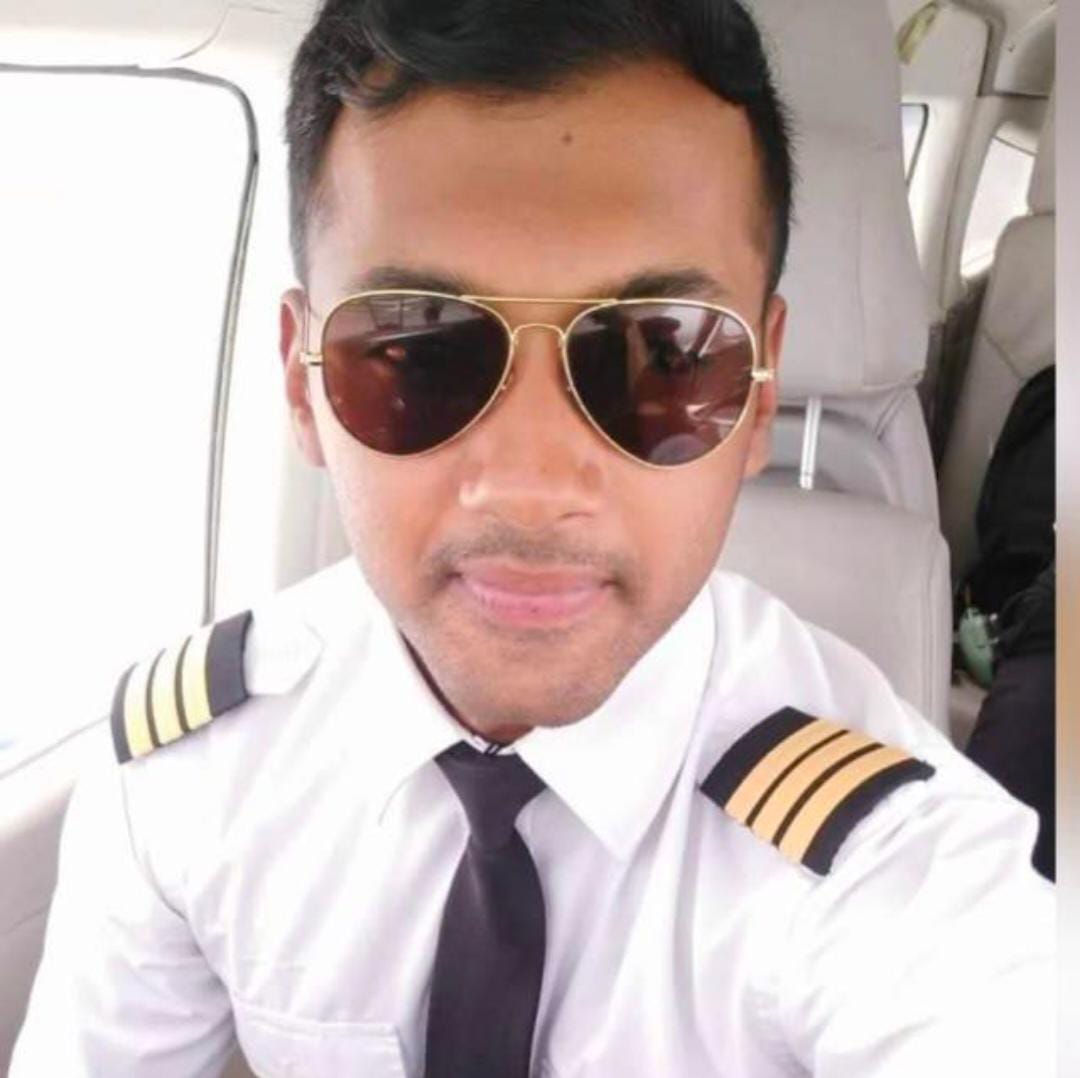
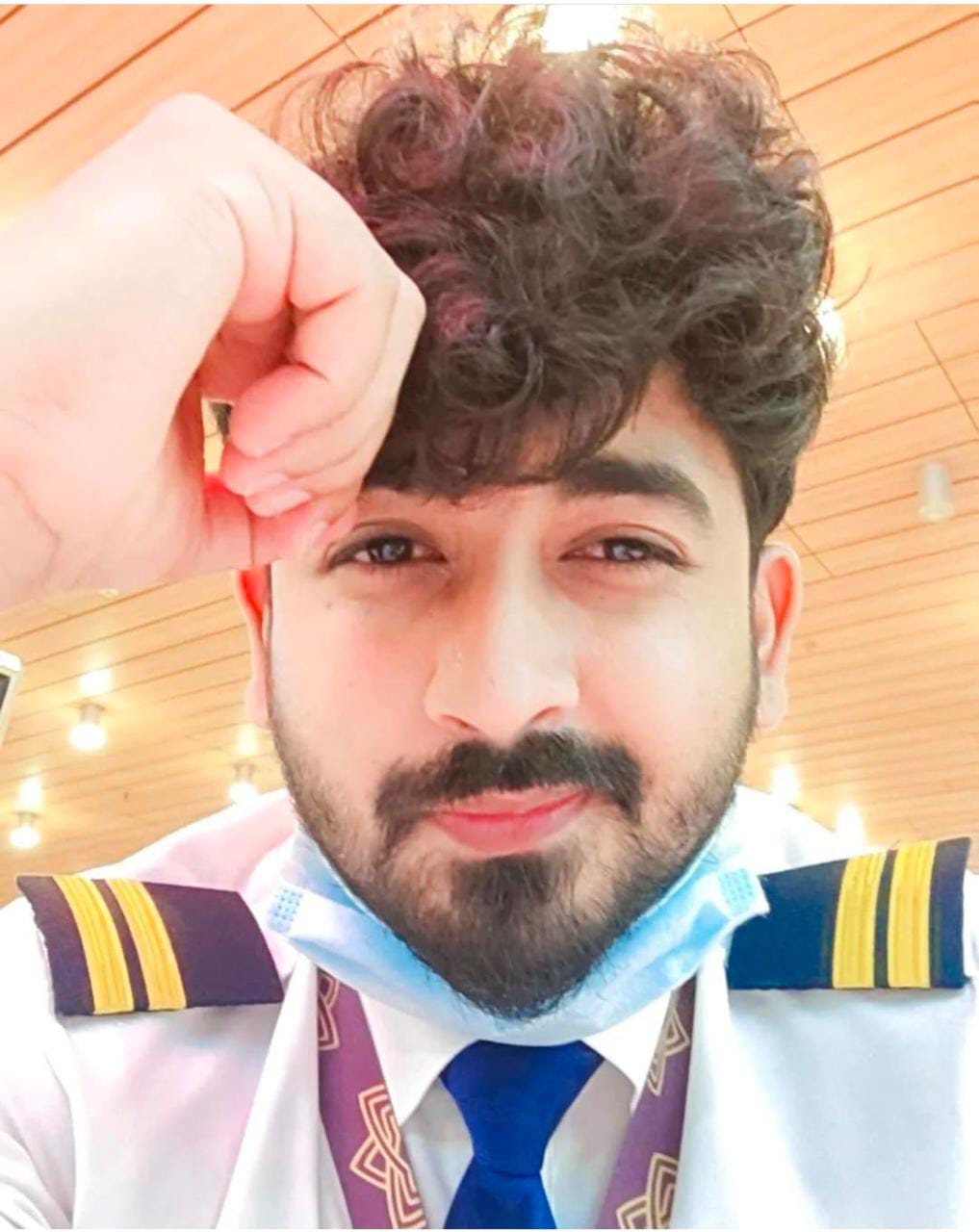
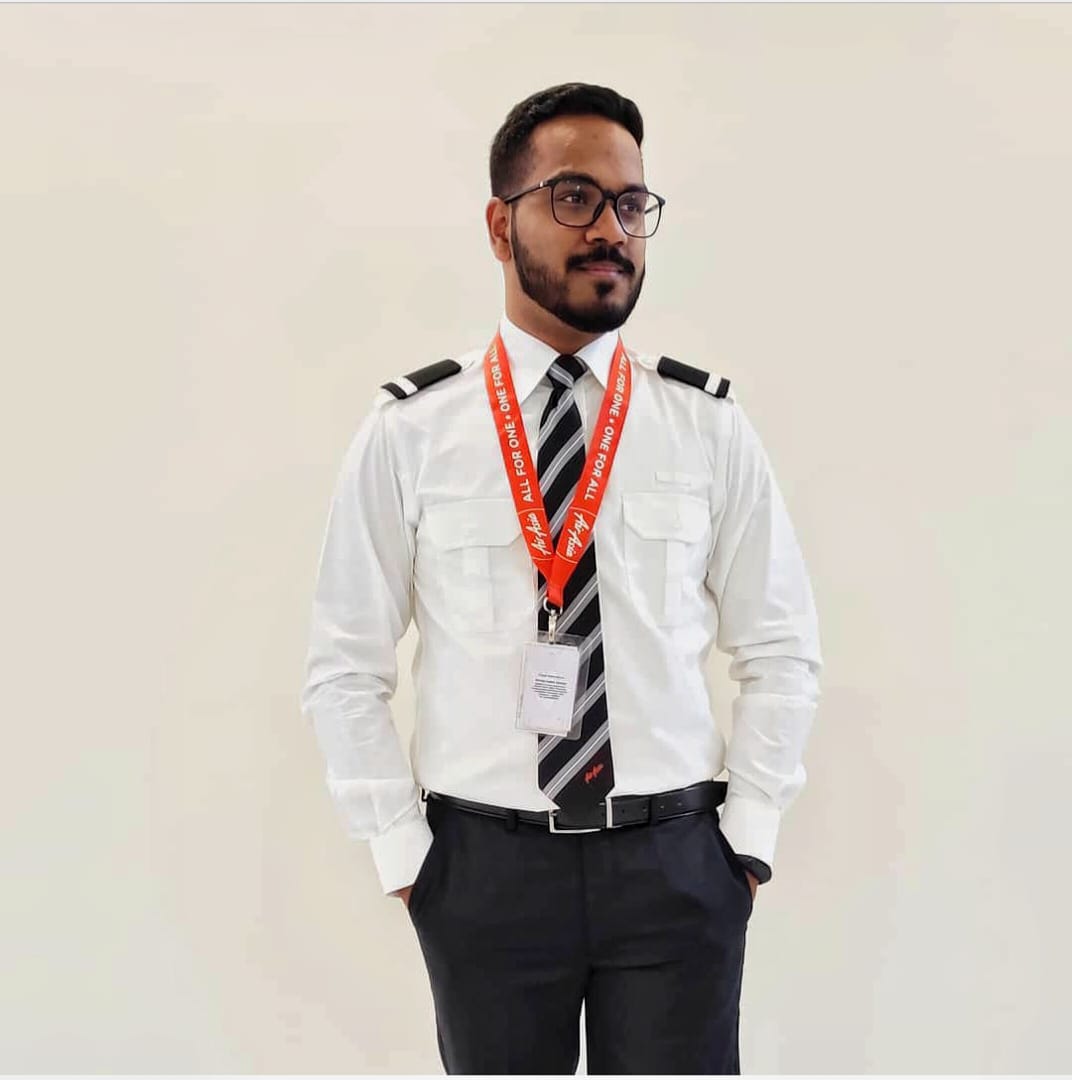
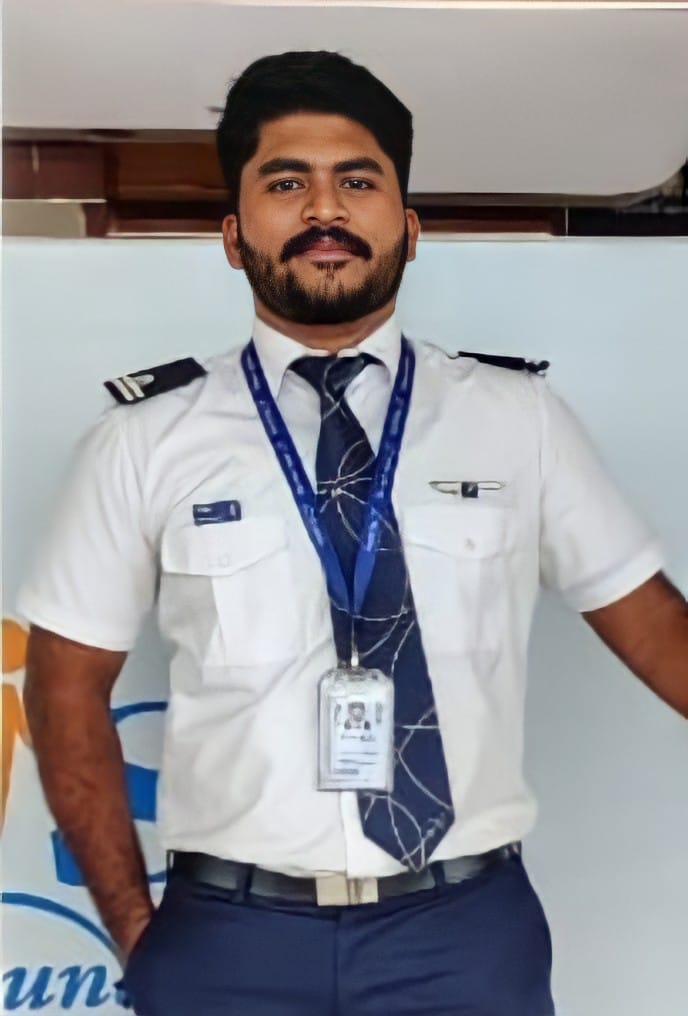
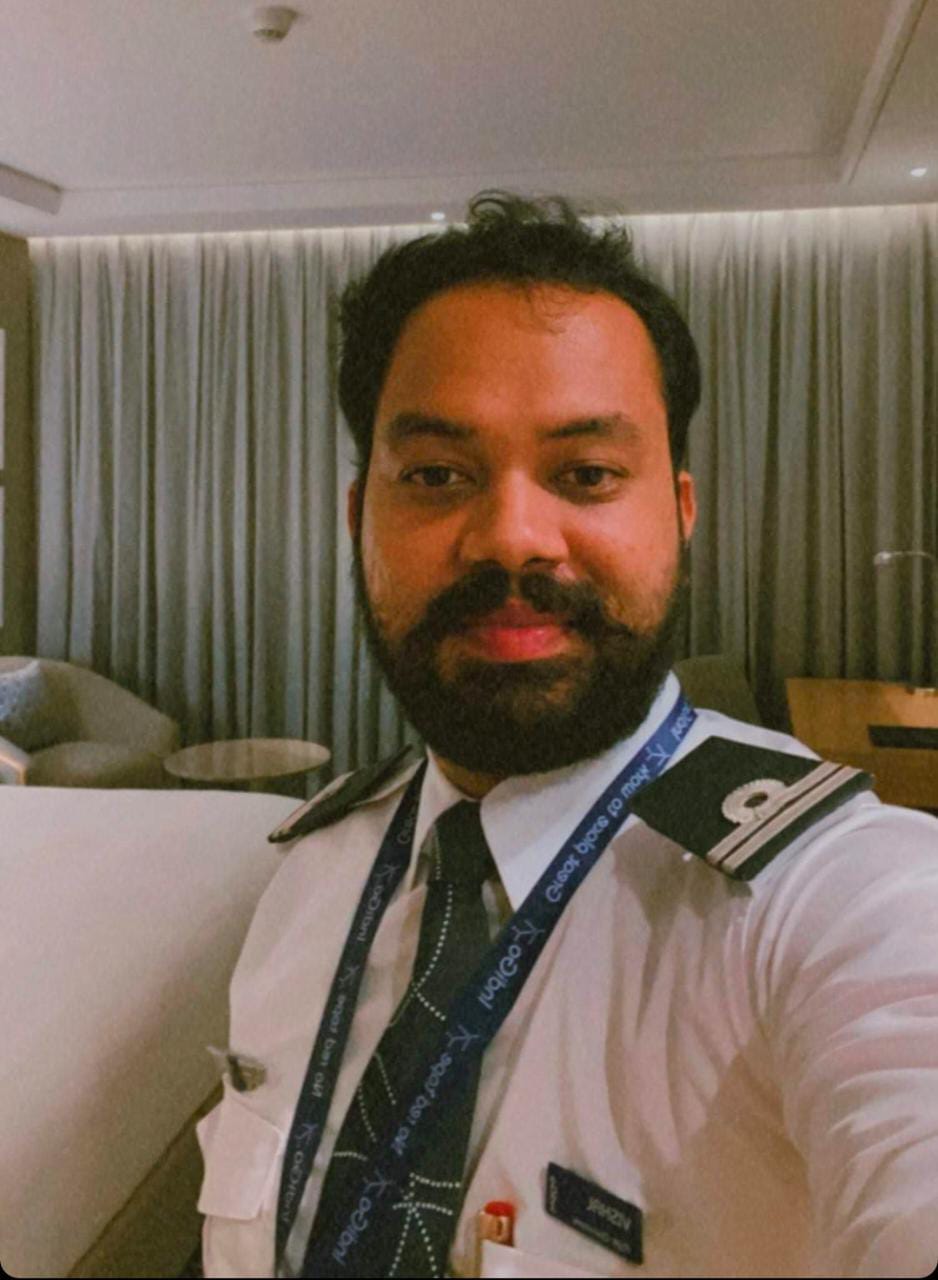
Requirements
Eligibility For Commercial Pilot
Pilot Training In India
Course Overview
Course Duration
The pilot training program combines classroom theory with in-flight training, guiding students through all license stages to build confidence, proficiency, and achieve a Commercial Pilot License. Timelines may vary based on performance.
Course Details
The DGCA-approved Commercial Pilot Training program blends ground school knowledge with practical flying experience, taking students from SPL to CPL through structured training on modern aircraft and advanced simulators to ensure complete airline readiness. It is designed to build strong skills, discipline, and confidence for a successful aviation career.
CPL-MEIR (Commercial Pilot License with Multi Engine Instrument Rating)
Flying Hours
Students undergo structured flight training from SPL to CPL, including Instrument Rating (IR) and Multi-Engine experience under DGCA regulations, ensuring complete skill development and readiness for a Commercial Pilot Licence in India.
Course Fee
Covers complete pilot training, including ground school, simulator sessions, flight hours, and licensing support, providing a structured path to becoming a professional pilot.
What's Included:
The Pilot Blueprint
Course Flow
Master the Fundamentals of Flying
Begin your journey with DGCA-approved theory training, covering essential subjects such as Air Regulations, Meteorology, Air Navigation, and Technical General to build a strong foundation for a successful aviation career. ✈️
Student Pilot Licence (SPL)
Learn aviation basics, aircraft familiarization, and air regulations, followed by an oral assessment to qualify for your first solo flight. ✈️
First Solo Flight Experience
Take to the skies independently under supervision, practicing take-offs, landings, circuits, and basic manoeuvres to build confidence and flying skills. 🛫
Flight Hours & Skill Development
Accumulate required flight hours through cross-country navigation, instrument flying, and advanced exercises to strengthen decision-making and flight proficiency. 🌍
Multi-Engine & Instrument Rating
Gain advanced training in multi-engine aircraft and instrument flying, preparing you for airline standards and professional aviation careers. ✈️🚀
India Pilot Training — Step by Step Guide
Medicals
Obtain a valid DGCA Class 1 medical (for CPL pathway) from an authorised AME to confirm fitness for professional flying.
DGCA Theory Class
Attend DGCA-prescribed ground school covering Air Regulations, Navigation, Meteorology, Technical Subjects and Human Performance.
DGCA Theory Exam
Sit the DGCA written papers and clear the required theory exams to progress to practical training stages.
RTR (Radio Telephony Restricted)
Complete the RTR/RT licence course and exam to obtain mandatory aviation radio telephony endorsement.
Choose The Right Flight School
Select a DGCA-approved FTO based on fleet, instructor experience, placement outcomes and student support services.
SPL (Student Pilot Licence)
Apply for and obtain your SPL after initial training and checks — this authorises you to commence supervised solo flying.
FRTOL
Obtain the FRTOL from WPC after passing the RTR exam. This licence authorises pilots to operate aircraft radio communication equipment during flight.
Flight Training
Complete structured practical training from PPL through hour-building to CPL (including IR/ME as required), with regular checks and final DGCA skill tests.
Popular Pilot Training Indian Locations

Maharashtra
Gujarat
Rajasthan
Uttar Pradesh
Hyderabad (Telangana)
Bangalore (Karnataka)
Types Of Fleets Available For Flight
Training In India
.png.webp)
Cessna 172
About
Cessna 172 – Single-engine Four-seat trainer and cross-country aircraft, ideal for PPL training, night flying, and navigation practice. Perfect for students to gain real flight experience.
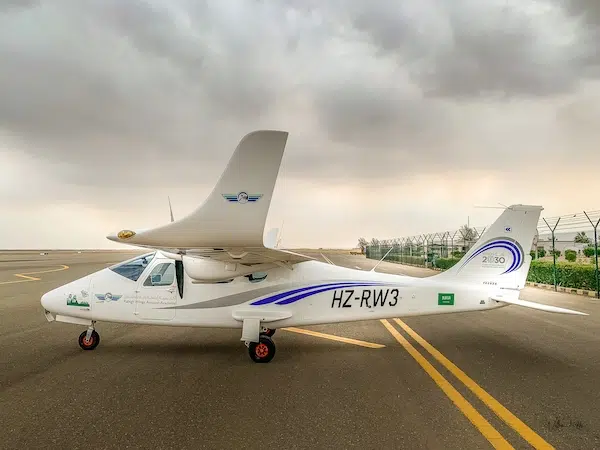
Tecnam (ME)
About
A modern twin-engine trainer used for Multi-Engine Rating and Instrument flight training, offering advanced avionics, fuel efficiency, and an ideal platform for transitioning to complex aircraft operations.
Piper Archer
About
A reliable four-seat trainer equipped with modern avionics, ideal for PPL and CPL training. Known for its stable handling and performance, it helps students master navigation, cross-country, and instrument flying skills.
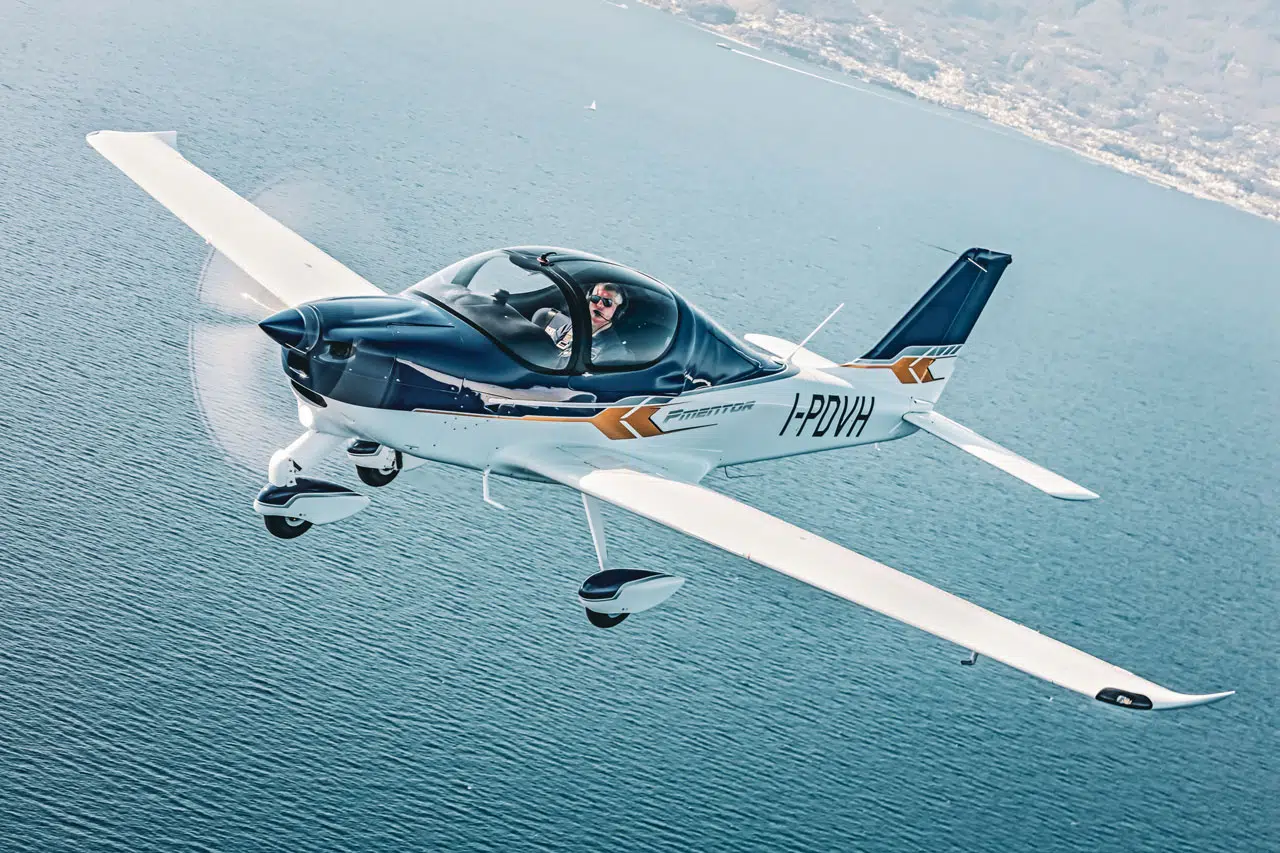
Tecnam P-Mentor
About
A next-generation training aircraft featuring advanced glass cockpit avionics, ideal for ab-initio to CPL training. Efficient, safe, and designed for modern flight training with capabilities for basic instrument and navigation exercises.

Diamond (DA42)
About
Used for advanced multi-engine and instrument training, the DA42 features modern avionics and high performance, preparing students for complex flight operations and airline-level proficiency.
The Pilot Blueprint
Benefits Of Training
In India
- DGCA-approved training aligned with Indian aviation standards
- Close to home with quality training facilities
- Experienced instructors and modern aircraft
- Diverse weather and terrain for real-world exposure
- 300+ flying days a year across major bases
- Seamless DGCA licence conversion for airline readiness

The Pilot Blueprint
License &
Recognition
Commercial Pilot Training program in India provides aspiring pilots with a well-structured pathway to obtain a DGCA-approved Commercial Pilot Licence (CPL) along with Multi-Engine and Instrument Ratings. Conducted at DGCA-certified Flying Training Organisations, the program combines extensive ground classes with practical flight experience in diverse weather and airspace conditions. The training adheres to the highest national aviation standards, ensuring students develop strong technical and operational skills. Upon completion, graduates earn a DGCA-recognised licence, qualifying them for airline careers within India and across global aviation networks.
India
Ministry of Civil Aviation
नागर विमानन मंत्रालय
DGCA Approved License
International
ICAO Compliant Standards
Globally Convertible Licence
Globally Valid CPL & MEIRThe Pilot Blueprint
Frequently Asked
Questions
Complete your 12th with Physics and Maths, pass a Class 1 medical, clear DGCA exams, and enroll in a DGCA-approved flying school for CPL training.
Pilot training in India generally takes 16-18 months, depending on weather conditions, exam clearances, and aircraft availability.
Yes, all DGCA-approved schools follow the official DGCA syllabus covering theory subjects and a minimum of 200 flight hours.
Yes, DGCA-approved schools offer Multi-Engine training on aircraft like Tecnam P2006T or Piper Seneca after you complete basic CPL flying.
You'll need to pass Air Regulations, Navigation, Meteorology, and Technical General/Specific papers conducted by DGCA.
Most schools use single-engine aircraft like Cessna 152, Cessna 172, and Diamond DA40, and multi-engine options like Tecnam P2006T.
Yes, a DGCA licence can be converted to other ICAO-compliant licences by meeting local authority requirements.